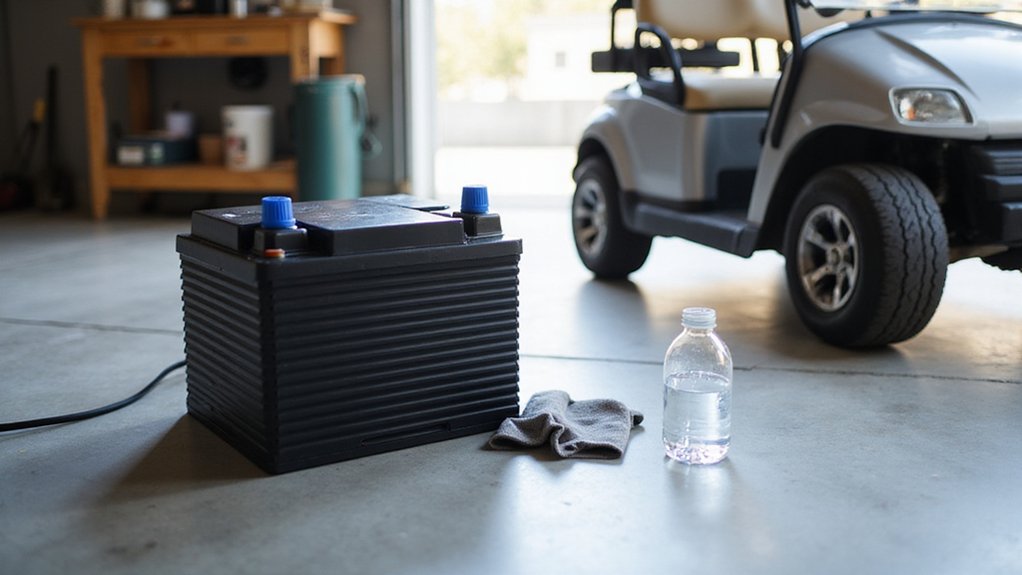
Figuring out how long your golf cart batteries last can feel confusing, especially with so many types available.
The lifespan mostly depends on whether you have lead-acid or lithium batteries, and how well you care for them.
Knowing the key factors that influence their longevity can help you get the most out of your investment and enjoy reliable performance.
The details below will give you a clear picture of what to expect.
3 Key Factors That Determine Golf Cart Battery Lifespan
Three key factors determine how long your golf cart batteries will last, with battery cycling being the most critical. Avoid frequently draining your batteries below 50% state of charge because deep discharges accelerate wear. Partial cycling—recharging soon after use—reduces stress on the batteries and prevents sulfation, extending their lifespan. For those comparing top golf cart models, selecting a high-quality frame and roof can also protect the battery compartment from weather-related damage. Temperature management is next: hot conditions above 80°F speed up degradation, while cold temperatures lower efficiency. Store your batteries in a cool, dry place to help preserve their charge. Additionally, using a smart charger can prevent overcharging by automatically shutting off when a full charge is reached. Lastly, maintenance discipline significantly affects longevity. Clean terminals every 90 days, top off flooded cells with distilled water weekly, and ensure all connections are tight and free of corrosion. Neglecting any of these aspects can drastically shorten your battery pack’s service life. Recognizing the warning signs of a worn-out pack, such as reduced runtime or voltage drops under load, allows you to replace cells before they fail completely.

【48 Volt 15 Amp Golf Cart Charger】EPOWREY golf cart battery charger is designed to quickly and safely charge EZGO RXV and TXT golf cart batteries with 3-pin Triangular plug. Our golf cart battery charger utilize advanced smart charging technology with high output voltage and current accuracy, good stability and up to 90% efficiency to ensure efficient and reliable power for your golf cart

【15 Amp Rapid Charger/Lead-Acid】 EPOWREY 48 volt battery charger for Club Car golf carts with 3-pin round plug.This charger is designed as a one-piece plug, using a rubber cord that is more abrasion-resistant and heat-resistant than PVC cords, and have effective waterproofing advantage.

【15 Amp Rapid Charging Capability/Lead-Acid】Chargers 48 volt Yamaha G19-22 Golf Carts with 2-Pin Plug.Plug and play,fast and simple.
Lead-Acid vs. Lithium: Which Battery Type Lasts Longest?
Lithium batteries last approximately 8 to 10 years or more, whereas lead-acid batteries typically need replacing every 4 to 6 years. With proper care, lithium packs can often serve you for 10 to 20 years, significantly reducing the frequency of replacements. Lead-acid batteries, on the other hand, usually require replacement every 2 to 4 years under heavy use. The longer lifespan of lithium batteries means fewer replacements over time, which can save you money and hassle. Lithium batteries also have a higher cycle life, often delivering between 2,000 and 6,000+ charge cycles, compared to 300 to 1,000 cycles for lead-acid models. This extended cycle life directly translates to greater longevity. Additionally, lithium packs generally come with better warranties, reflecting their durability and long-term value. When comparing top picks for performance and durability, lithium clearly outperforms lead-acid in every category. When comparing running costs and value, lithium often proves more economical over its lifespan due to minimal maintenance and fewer replacements. Comparatively, quality hub caps can also enhance the longevity of your golf cart by protecting wheel components. Overall, if you seek a battery that lasts the longest and requires less maintenance, lithium is the superior choice.

Born for 48V Golf Cart: Special designed for 48v golf cart industry, OGRPHY 48v lithium golf cart battery is compatible with golf cart controllers of all major brands on the market. Built in premium grade A prismatic LiFePO4 cells(UL certified), this 48v battery has better durability & safety. Over 5kWh capacity equals 8pcs 12V 100AH lead acid batteries. Max 10.24kW continuous power & peak 51.2kW power (50% more powerful than standard lithium batteries) to conquer hills/rough terrain effortlessly.

All-in-One 48V Lithium Golf Cart Battery Upgrade Kit – Comes with everything you need for a seamless upgrade: a high-performance 56.8V 18A charger, 2.8-inch LCD touch display for real-time monitoring, voltage converter for stable output, and a durable retention strap—no additional accessories required.

【ULTRA HIGH PERFORMANCE - CLASS A BATTERY】: LOSSIGY 36V100AH Lithium Battery Golf Cart is made of class A chip, equipped with 43.8V25A smart charger, 9 in1 battery monitor, built-in 200A BMS, 3840W Powerful, 1000A peak current. IP65 waterproof. Preferred item for golf cars, trolling motors.
How Charge Cycles Translate to Real-World Battery Lifespan
Each full cycle—using 100% of your battery’s usable capacity, whether in one drive or several partial trips—reduces its total capacity. Flooded lead-acid batteries typically offer around 500 to 700 cycles, while lithium batteries can provide over 5,000 cycles. The depth of discharge significantly affects cycle life: shallow discharges, where only a small portion of the capacity is used, help preserve more cycles, whereas deep discharges speed up degradation. Partial charges still count as full cycles, so frequent short trips will add up over time. Charging speed also impacts longevity; slow, proper charging extends cycle life, while fast charging can accelerate wear. To estimate the real lifespan, count how many cycles your battery has gone through—calendar time does not tell the full story. For extending lifespan, selecting a top golf cart battery charger like those reviewed for 24-volt systems supports proper charging habits. Choosing a cover for ezgo golf cart can also protect the cart and battery system from weather damage. When evaluating batteries, comparing top picks on quality and performance from the guide helps you choose a model with the best cycle life for your usage.
How Driving Habits and Usage Frequency Affect Battery Life
Your driving habits and how often you use your vehicle significantly impact battery life. Frequent use results in more charge cycles per year, which accelerates battery wear. If you drive daily, you could be adding hundreds of cycles annually, reducing the battery’s overall lifespan. In contrast, using your vehicle only on weekends spreads out those cycles over many years, helping preserve the battery. To further extend life, charge timing strategies like avoiding full discharge can help maintain capacity over the long term. Proper water level maintenance is also critical for preventing damage and maximizing battery longevity. Understanding the regenerative braking system can also help you optimize energy recovery during deceleration.
The type of trips you take also matters. Short, stop-and-go drives around your neighborhood cause the battery to recharge more often, increasing wear. On the other hand, longer steady drives on flat terrain put less stress on the battery. However, if your trips involve steep hills or heavy acceleration, the battery drains faster due to higher current demands. High speeds and aggressive driving further strain the battery, potentially shortening its usable life. For example, a vehicle used six hours weekly might drain a 500-hour battery in about 16 months, whereas a 1,500-hour battery could last over four and a half years under lighter use. Overall, thoughtful, moderate driving can significantly extend your battery’s lifespan.
5 Maintenance Habits That Can Add Years to Your Batteries
Regularly checking water levels is crucial for maintaining your batteries. Flooded batteries require top-offs with distilled water only after charging, ensuring the plates stay submerged and prevent damage. Frequent full charges are necessary to avoid sulfation, which can significantly reduce capacity over time. Equalize wet batteries every 30 days to balance the cells, but do not do this with sealed batteries—they do not need it and can be damaged if opened. To prevent corrosion, scrub the terminals with a safe cleaner and tighten all connections to reduce resistance and prevent heat buildup. During gassing, ensure proper ventilation to avoid the buildup of hazardous gases. For stored batteries, examine their water levels monthly and refresh them every 45 to 60 days to keep them in good condition. When your batteries have finally reached the end of their life, dispose of them responsibly by recycling through proper channels. Follow safe driving etiquette on the course to avoid sudden stops and jolts that can strain battery connections. Using a top load tester periodically can help you catch performance drops before they leave you stranded on the course. Always wear protective gloves and goggles when handling battery acid to prevent chemical burns during replacement.

Shuts off automatically when battery cell is at proper level, no over filling

Extend Battery Life Before Replacing: Battery Renew Solution breaks down harmful lead sulfate buildup on battery plates and restores charging capacity in flooded lead acid batteries. Stop buying new batteries and bring your existing ones back to life. Can take up to 10 days of regular charging for full effect
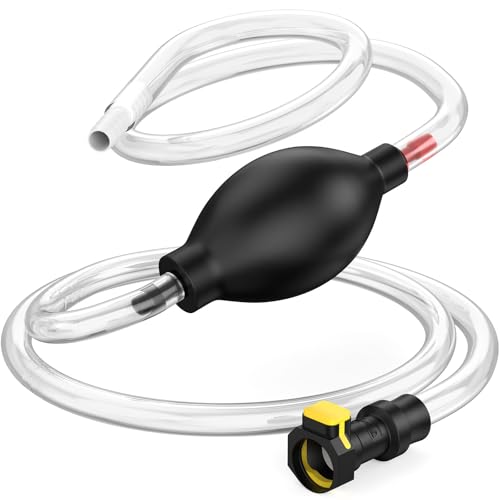
Compatibility: This golf cart battery water filler is compatible with golf carts, RVs, boats and utility vehicles featuring Trojan HydroLink or Flow-Rite Pro Fill systems. It keeps batteries at proper water levels to extend service life, improve efficiency and reduce long-term maintenance costs
4 Telltale Signs It’s Time to Replace Golf Cart Batteries
Slower acceleration and weaker power are clear signs your golf cart batteries are nearing the end of their lifespan. If your cart takes longer than usual to reach full speed or struggles when going uphill, it indicates the batteries can no longer supply sufficient energy. Over time, this performance drop becomes more noticeable, especially during hill climbs or sudden acceleration. Additionally, if your cart’s runtime diminishes—meaning it covers fewer miles per charge and the batteries drain quickly—it’s a strong sign they’re failing. Charging issues are also common; batteries that take much longer to recharge or refuse to hold a full charge overnight suggest replacement is needed. Selecting a compatible 48 volt golf cart battery charger can help verify that the charger itself is not the problem. You can confirm charging problems by testing the charger output with a multimeter to ensure it isn’t the charger itself causing the issue. Finally, visually inspect your batteries for swelling, corrosion, acid leaks, or cracks. A sulfur smell or a hot battery casing after charging can also indicate significant trouble. When replacing your batteries, always opt for proper recycling methods and consider checking your warranty coverage to potentially save money on premature replacements. For those using a four person golf cart, the added weight from passengers and bags can accelerate battery wear, making these signs even more critical to monitor.

[Compatible Models]: Our heavy duty golf cart battery cables are specially designed for 36 & 48V 1994-up Club Car DS and Precedent cart models

1. 【Compatible Models】: Golf cart battery cables fits EZGO TXT 1994-up, make sure your model is right

[Compatibility]: Golf cart heavy duty battery cable wiring kit fits 36&48 volt 1994-up Club Car DS and Precedent golf carts
When Should You Upgrade to Lithium Instead of Replacing Lead-Acid?
If you’re replacing your lead-acid battery every 2 to 4 years and want a better long-term solution, upgrading to lithium is the smarter choice. Lithium batteries typically last 5 to 10 years or longer, offering 2,000 to 5,000+ charge cycles compared to lead-acid’s 300 to 500. This means fewer replacements and lower overall costs over time. Among the top lithium golf carts, quality and performance often determine the best long-term investment.
Lithium batteries also eliminate much of the maintenance associated with lead-acid types—no watering, terminal cleaning, or corrosion concerns to worry about. Their lighter weight improves handling and vehicle acceleration, and they maintain a steady voltage under load, which is particularly beneficial for climbing or steep terrain. For nighttime visibility and safety, pairing a lithium upgrade with a light bar for golf cart can further enhance your driving experience.
Charging speed is another advantage: lithium batteries charge faster, handle partial charges more effectively, and reduce downtime. Their longer lifespan and higher cycle count translate to a lower total cost of ownership despite a higher upfront price. Environmentally, they require less frequent recycling and have a smaller ecological footprint in the long run. When replacement costs, maintenance needs, or performance are priorities, switching to lithium makes clear sense.

[10 Years Lifetime and 5000+ Deep Cycles] OGRPHY 48 volt lithium battery is made of new grade A cells with UL certification. 10 years lifetime and 5000+ deep cycles is not just a slogan under instructions on the product manual.

Get Rid of Lead Acid Batteries Now: Revolutionize your golf cart with Lithova 48V golf cart lithium conversion kit! This 48V lithium battery directly replaces 6-8V 50Ah heavy lead-acid batteries in one simple installation. Enjoy 74% weight reduction, 60% smaller size, and extended 25-mile range (effortless 3-5 Rounds of 18-hole courses). Lasts 8x longer than lead-acid batteries, Up to 15000 deep cycles ensure maintenance-free performance and long-term reliability.

Grade A Cells: LOSSIGY 48 Volt lifepo4 lithium golf cart batteries are manufactured of auto grade-A cells with higher energy density, more stable performance&greater power.
Quick Lifespan Cheat Sheet: What to Expect by Battery Chemistry
Flooded lead-acid batteries typically last between 2 and 5 years, with around 300 to 800 charge cycles. This shorter lifespan means you’ll need to replace them more often, increasing your overall costs and environmental impact. The frequent replacements also lead to a higher recycling burden, as these batteries are disposed of more frequently. In comparison, AGM batteries last about 4 to 7 years, with roughly 500 to 1,000 cycles, offering a moderate improvement in longevity and recycling frequency. Gel batteries sit in the middle, lasting 3 to 6 years. Lithium batteries outshine the others with 8 to 10+ years of life and 2,000 to 5,000+ cycles. This dramatically reduces how often you need replacements. Pairing lithium with a proper battery management system can extend its lifespan even further. Choosing the right chemistry affects not just your budget but also how often you’ll deal with old batteries and their disposal.