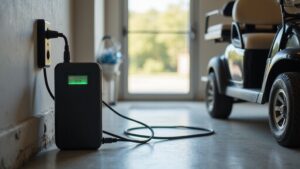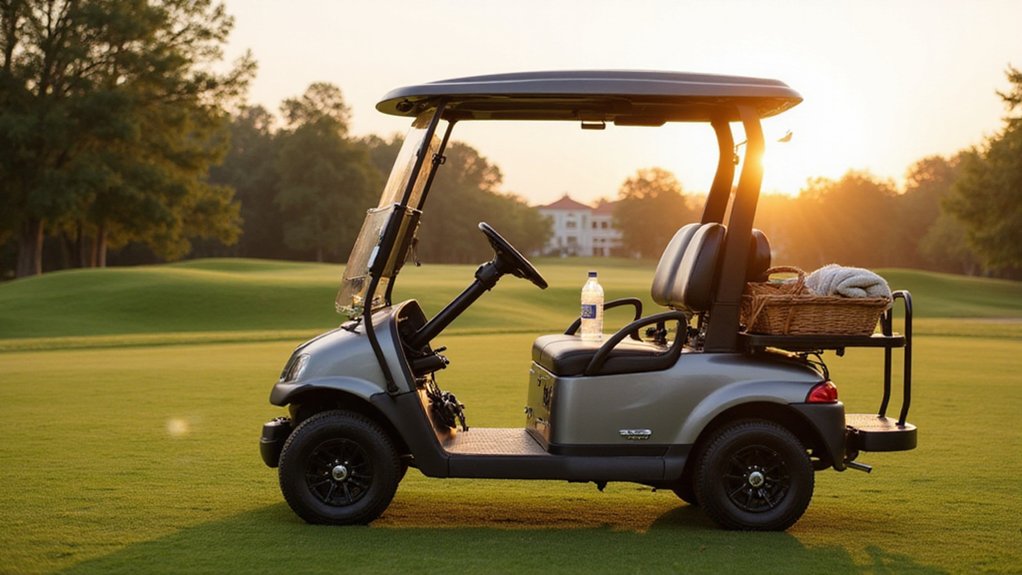
Ever wonder what makes an electric golf cart move smoothly and quietly? At its core, it’s a friendly mix of parts working together: your battery supplies power, the controller acts as the brain, and the motor turns electricity into movement.
Understanding how these pieces fit helps you appreciate what keeps your ride going. Keep reading to see the simple way all these parts work as a team.
What Powers an Electric Golf Cart? Battery, Controller, and Motor Basics
The controller is the central component that determines how much power your golf cart receives. It uses signals from the accelerator pedal to regulate voltage and current from the batteries to the motor. The signal from the pedal tells the controller precisely how much acceleration you desire, allowing for smooth and responsive operation. It also incorporates speed sensors and brake inputs to manage acceleration and deceleration seamlessly. Solid-state electronic components ensure precise control, while current limiting features protect the entire system from overloads or damage. The controller effectively acts as the brain of your golf cart’s electrical system, translating your inputs into motion. For buyers comparing top picks on quality and performance, a high-quality controller is essential for reliable power delivery and longevity. Shielding the controller from direct sun and rain with a top extended roof helps prevent heat-related malfunctions and moisture damage, preserving its performance. Choosing a controller with consistent current regulation is also vital for maintaining battery life and smooth operation.

OEM FACTORY REPLACEMENT: Genuine OEM EX1 engine controller designed as a direct bolt-in replacement requiring no programming or modifications.

【Replace】The golf cart Motor Controller replaces 73326G02, 73326-G02, 73326-G03, 73326G03, 73326-G04, 73326G04, 73326-G05, 73326G05, 73326-G06, 73326G06, 73326-G07, 73326G07, 609803.

How an Electric Golf Cart Motor Converts Electricity Into Torque
The motor converts electricity into torque primarily through the strength of its magnetic field, which is controlled by the current supplied. When you increase the current, the magnetic field becomes stronger, resulting in more torque. This allows the cart to deliver instant, powerful torque from a standstill, making it easy to start moving and climb inclines. The controller manages this current smoothly using pulse width modulation, which varies the power delivered to the motor to achieve gradual acceleration. Keep in mind that while your motor’s shaft rotation directly produces torque, the final pulling power at the wheels is boosted through gear reduction, which multiplies that torque for better performance. Selecting the best controller for your EZGO golf cart can further optimize torque delivery and efficiency. For those seeking maximum efficiency, top lithium golf carts offer superior battery performance and consistent torque output. High-quality 8 volt golf cart batteries also provide reliable power for sustained torque in older cart models.
How an Electric Golf Cart’s Drivetrain Connects the Motor to the Wheels
The drivetrain connects the electric motor to the wheels through a single, integrated transaxle that combines gear reduction, differential, and axle assembly. The motor first delivers torque, but this power doesn’t go directly to the wheels. Instead, it flows into this compact unit, which reduces the motor’s high rotational speed and multiplies torque, allowing the cart to start moving and climb hills effectively. The differential then splits this torque between the two rear wheels, enabling them to rotate at different speeds during turns for better handling. Pairing the drivetrain with the best golf cart tires ensures the motor’s torque is effectively transferred to the ground for improved traction and stability. Choosing a tire with a deep tread pattern can significantly enhance grip on loose or wet terrain, which complements the drivetrain’s torque output. To maintain optimal drivetrain performance, it is also essential to use a reliable 24-volt charger to ensure the battery system delivers consistent power to the motor.
From the transaxle, axle shafts carry the refined torque directly to the wheels. The entire drivetrain is designed to be simpler and more sealed than that of a regular car, with fewer exposed parts that require maintenance. Regular upkeep usually involves inspecting the axle assembly for leaks or signs of wear to ensure smooth, consistent power transfer to the wheels.
DC vs. AC Motors: Which One Powers Your Electric Golf Cart?
AC motors are generally the better choice for modern golf carts because they offer higher efficiency and stronger overall performance. They provide smoother acceleration, improved hill-climbing ability, and faster top speeds compared to DC motors. Additionally, AC systems do not have brushes or a commutator, which means they require less maintenance and have longer service lives. While DC motors are cheaper initially and excel at low-speed torque, they tend to wear out faster due to brush and commutator wear, leading to higher long-term maintenance costs. For truck owners who need to transport their cart, pairing an AC-powered cart with a golf cart ramp rated for heavier loads ensures safe loading and unloading. Selecting a reliable solenoid for EZGO ensures the AC motor’s electrical system operates safely and consistently. Overall, AC motors deliver more consistent power and durability for everyday golf cart use. For those looking to upgrade their cart’s utility, a top utility bed can pair well with an AC motor’s consistent power output for heavy-duty tasks.
Fits 48v Club Car DS IQ, Precedent, Onward, Tempo Electric Models
Fits EZGO TXT 48V with Curtis 1206HB Electric Models

Fits 48v Club Car DS IQ, Precedent, Onward, Tempo Electric Models
The Electric Golf Cart Controller: Speed, Torque, and Regenerative Braking
The controller is the brain behind your golf cart’s performance, regulating the flow of power from the battery to the motor. Instead of simply turning power on and off, it varies the output voltage to control your speed precisely, allowing smooth adjustments for different terrains or loads. When you need more torque—such as climbing hills or carrying heavy passengers—the controller increases the current, providing stronger power delivery. Conversely, it limits torque to protect your drivetrain from damage. For buyers selecting a cargo model, quality and performance are key factors reviewed in detailed buyer guides. Adjusting the controller’s settings—known as tuning—can customize throttle response and acceleration, matching the driving experience to your preferences. During braking, the controller activates regenerative braking, which makes the motor operate as a generator. This process creates negative torque to slow your cart while simultaneously sending energy back to the battery. The efficiency of regenerative braking depends on the braking intensity and motor speed, helping extend your battery life and giving you better control downhill. Many of the top-rated models feature adjustable current limits that prevent overheating during heavy use. To maximize battery longevity, avoiding deep discharges is a critical warning sign of impending failure. Overall, the controller enhances smoother starts, stronger pulls, and longer runtime—all from one smart component.

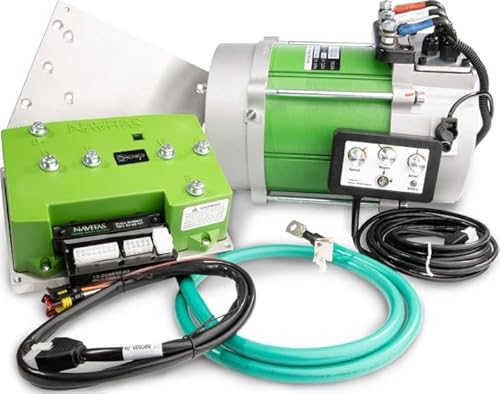
MAXIMIZE PERFORMANCE: Upgrade your golf cart with the Navitas 600 Amp TSX3.0 DC Controller, engineered to dramatically increase acceleration, hill-climbing torque, and overall speed for 1994–2013 E-Z-GO TXT Series models and 1988-1994 E-Z-GO Marathon models. Delivers smoother throttle response and optimized motor efficiency for a noticeably stronger ride. *Please note, performance increases may vary based on motor, batteries, and other electrical drive system components.

【Compatibility】Golf cart DC motor controller suitable for 2009-2014 Club Car Precedent electric golf carts. Equipped Excel Electrical System with PowerDrive Chargers

Replace Part Number: 1515-5206, 103982301. Cross Reference/s: CL7011312REM, HU4127570R, YP550117346R, YP5501173-46R, CC103982301, CL7011312RR, CT1515-5206, HU4127570, YP550117346, YP5501173-46