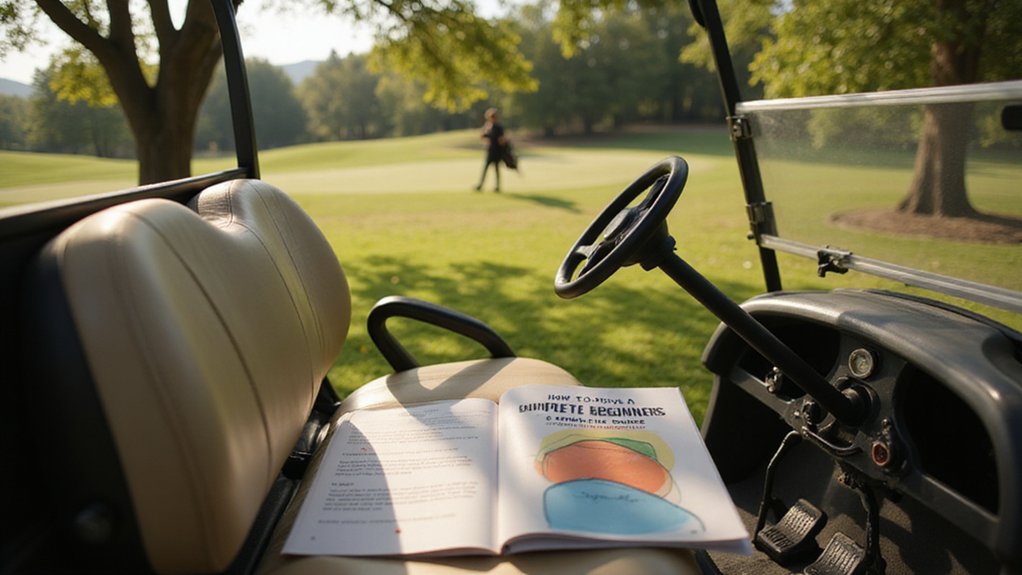
Wondering how to drive a golf cart safely and confidently? The good news is, with a few basic steps, you can get started quickly and enjoy a smooth ride.
From inspecting your vehicle to mastering simple controls, you’ll be ready to hit the course or pathways with ease.
Keep reading for all the essential tips to make driving a golf cart safe and simple.
Start With Golf Cart Safety: Check Tires, Brakes, and Your Seat
Starting your golf cart safety check at the ground level is essential. Begin by inspecting the tires thoroughly. Check the tire pressure against the manufacturer’s recommended specifications to ensure proper inflation. Next, look for signs of uneven tread wear, sidewall cracks, bulges, or embedded debris that could compromise safety. Make sure all wheels are securely attached, with tight lug nuts, and replace any tires that show damage or significant wear. For long trips, consider installing top cup holders for convenient access to drinks while driving. Choosing all-terrain tires can offer better traction on various surfaces beyond the course.
After confirming tire safety, move on to the brakes. Press the brake pedal firmly; it should engage smoothly with consistent resistance. If you feel a spongy response or notice excessive pedal travel, it could indicate worn brake components or fluid problems. Ensure the parking brake holds firmly when engaged. Listen for any squealing, grinding noises, or leaks around the brake cables or lines, which suggest maintenance is needed. Upgrading to a lithium battery can improve the cart’s overall weight distribution and performance.
Finally, check the seat’s security by ensuring all mounts are tight, with no cracks or broken supports. If your cart has a seat belt, examine the webbing and buckles for fraying or damage. Never operate the cart with standing passengers, as this can lead to loss of control. Performing these checks regularly will help keep your golf cart safe and reliable.

18X8.50-8 6PR Golf Cart Tires/ All-Terrain / Off-Road Tires/ Tubeless Tires. Non-directional tread pattern for universal mounting on golf cart wheels. golf cart tires are durable and affordable, making them a great choice for your golf cart. The golf cart wheel provides even traction and a smooth ride on most paved or unpaved surfaces. The golf cart tire is a general-purpose tire.
205/50-10 Golf Cart Tires/ All-Terrain / Off-Road Tires/ Tubeless Tires. Non-directional tread pattern for universal mounting on golf cart wheels. golf cart tires are durable and affordable, making them a great choice for your golf cart. The golf cart wheel provides even traction and a smooth ride on most paved or unpaved surfaces. The golf cart tire is a general-purpose tire.

Includes: (4) x 18x9.50-8 Knobby Golf Cart Tires / ATV Tires, (2) x 8"x7" BLACK Steel Wheels
Drive Safely: How to Start, Steer, and Stop Smoothly
Once you’ve confirmed the cart is safe, you’re ready to drive. Ensure the forward/reverse selector is in neutral before starting. Turn the key to power up the vehicle and release the parking brake. Press the accelerator gently; abrupt starts can cause jerking and make steering difficult. For smooth turns, make gradual steering adjustments and slow down before entering tight corners. This helps maintain stability, especially on uneven or slippery turf. If your cart’s tires are worn, selecting the right tubes can improve traction and handling. When braking, first release the accelerator, then press the brake pedal gradually—avoid slamming the brakes unless safety calls for a sudden stop. Always bring the cart to a complete stop before changing direction. For reversing, switch to reverse only after stopping completely, then back up slowly with light accelerator pressure and small steering corrections. Keep reverse maneuvers short and deliberate to ensure control. For long-term performance, choosing a cart with quality and performance features can improve your driving experience. Upgrading to deep-cycle batteries ensures reliable power for consistent acceleration and braking.
Follow Golf Cart Safety Rules for Passengers, Cargo, and Seat Belts
Cargo restrictions are crucial for safe golf cart operation. Never exceed the cart’s maximum weight capacity, typically listed in the user manual, and avoid using passengers as cargo space. Secure all loose items to prevent them from shifting or flying out, as heavy or unsecured loads can cause the cart to tip over or become unstable. Keep hands, arms, legs, and feet completely inside the cart at all times. Always wait until the cart has completely stopped before boarding or exiting. Remember, manufacturer warnings take precedence over any general advice, so follow all specific instructions provided with your cart. For optimal performance, ensure your cart’s 12 volt battery is maintained with a proper charger as reviewed in the knowledge source. Pairing the right top controller ensures your cart’s acceleration and braking respond correctly to weight and cargo loads. A clear windshield helps you see potential cargo hazards and improves overall safety.
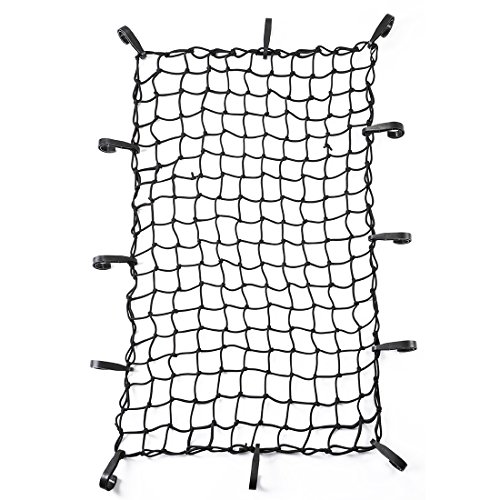
PREMIUM LATEX BUNGEE MATERIAL: The 22"x38" cargo net uses 3/16" thick premium latex bungee, with wonderful elasticity and can be streched to 44"x76"

Universal Golf Car Cargo Net: This storage net fits most 4-passenger golf carts and is compatible with most major brands, such as Yamaha, EZGO, Club Car, etc

Wide Application - This golf cart cargo net is suitable for various golf cart models, for Yamaha EZGO, Club Car,and more. Regardless of the type of golf cart you own, this product can be easily installed and provides an excellent storage solution. Whether you're using it for shopping, outings, hunting, or picnics, it's the best choice.
Navigate Hills, Wet Ground, and Tight Turns at Low Speed
To navigate hills, wet ground, and tight turns at low speed, prioritize stability and careful control. When going uphill or downhill, keep your cart moving straight: avoid diagonal angles to prevent tipping or slipping. Slow down before reaching the slope and maintain a steady, moderate speed as you ascend or descend. Use gentle, controlled braking to descend; abrupt braking can cause loss of control due to momentum. For a smooth experience, selecting the right spot to drive ensures you avoid dangerous terrain.
On wet or slick surfaces like muddy ground or turf, reduce your speed even further. Avoid standing water to prevent hydroplaning and traction loss. Steer smoothly and avoid sudden turns—quick movements increase the risk of skidding. When taking corners, slow your pace to a brisk walk and use wider arcs to keep your cart balanced. Sharp steering inputs on slopes or wet terrain should be avoided, as they increase the risk of tipping or slipping. Wet terrain also increases the likelihood of costly repairs, so understanding value factors can help you budget for potential replacements. For example, lithium batteries often provide a longer lifespan and lower total cost of ownership than traditional lead-acid options.

【ULTRA HIGH PERFORMANCE - CLASS A BATTERY】: LOSSIGY 36V100AH Lithium Battery Golf Cart is made of class A chip, equipped with 43.8V25A smart charger, 9 in1 battery monitor, built-in 200A BMS, 3840W Powerful, 1000A peak current. IP65 waterproof. Preferred item for golf cars, trolling motors.
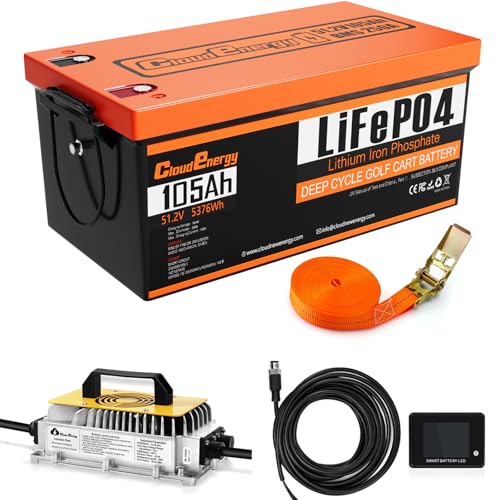
24 Hours Customer Service: Cloudenergy provides technical support and online customer service with fast feedback within 24 hours for any product-related issues or questions

Born for 48V Golf Cart: Special designed for 48v golf cart industry, OGRPHY 48v lithium golf cart battery is compatible with golf cart controllers of all major brands on the market. Built in premium grade A prismatic LiFePO4 cells(UL certified), this 48v battery has better durability & safety. Over 5kWh capacity equals 8pcs 12V 100AH lead acid batteries. Max 10.24kW continuous power & peak 51.2kW power (50% more powerful than standard lithium batteries) to conquer hills/rough terrain effortlessly.
Know Local Golf Cart Laws Before Driving on Public Roads
You must check local laws before driving a golf cart on public roads, as regulations vary widely by city, county, and state. Municipal codes often restrict golf cart use to private courses or designated routes and usually limit driving to streets with speed limits of 25 mph or less. Don’t assume state laws automatically apply—city regulations can be more restrictive, so always verify the rules specific to your area before heading out.
It’s important to distinguish a golf cart from a low-speed vehicle (LSV). A standard golf cart typically faces limited access, often restricted to golf courses or marked routes, and may require registration. Many jurisdictions also mandate a driver’s license, proof of ownership, or liability insurance to operate a golf cart legally. Skipping this paperwork can lead to fines or other legal issues.
Finally, ensure your vehicle meets equipment requirements. You might need to display a slow-moving vehicle emblem or have lights installed if you plan to drive after dark. Violating these equipment rules can result in citations or loss of street privileges, so always check the exact regulations before driving.