Over 80% of golf cart battery failures stem from hidden sulfation or cell imbalance, not old age. You’d never catch that with just a voltmeter. That’s why you need a real load tester that simulates the power drain of a full round, revealing true health instead of surface voltage. Let’s look at ten tools that cut the guesswork.
| BR502 6V/12V/24V Car Battery Tester 100-2000 CCA |  | Most Versatile | Voltage Compatibility: 6V/12V/24V | Maximum CCA Rating: 2000 CCA | Load Test Capacity: Not specified (conductive tester) | VIEW LATEST PRICE | Read Our Analysis |
| TOPDC 100A Battery Load Tester 6V/12V Car Battery Tester 100-1000 CCA | 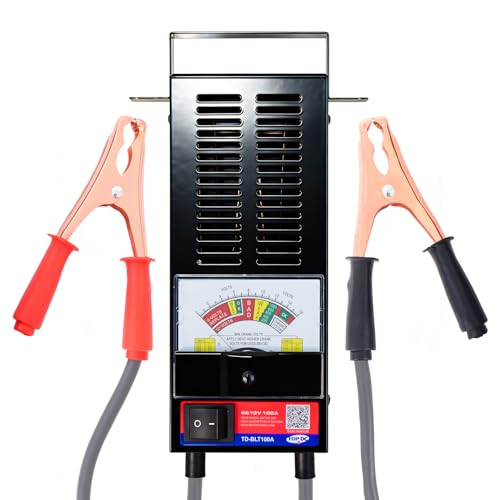 | Best Value | Voltage Compatibility: 6V/12V | Maximum CCA Rating: 1000 CCA | Load Test Capacity: 100A (12V) / 50A (6V) | VIEW LATEST PRICE | Read Our Analysis |
| QWORK 12V 100A Battery Load Tester |  | Budget-Friendly Pick | Voltage Compatibility: 6V/12V | Maximum CCA Rating: 1000 CCA | Load Test Capacity: 100A (12V) | VIEW LATEST PRICE | Read Our Analysis |
| Battery Load Tester with LCD Display & Clamps |  | Most Compact | Voltage Compatibility: 6V/8V/12V/14V/16V/24V | Maximum CCA Rating: Not specified | Load Test Capacity: Not specified | VIEW LATEST PRICE | Read Our Analysis |
| 12V/24V Car Battery Tester TOPDON BT300P Automotive Battery Load Tester |  | Professional Grade | Voltage Compatibility: 12V/24V | Maximum CCA Rating: Not specified (supports CCA/JIS/EN/DIN/SAE/IEC) | Load Test Capacity: Not specified (conductive tester) | VIEW LATEST PRICE | Read Our Analysis |
| 48V 20A 960W Golf Cart Battery Load Tester | 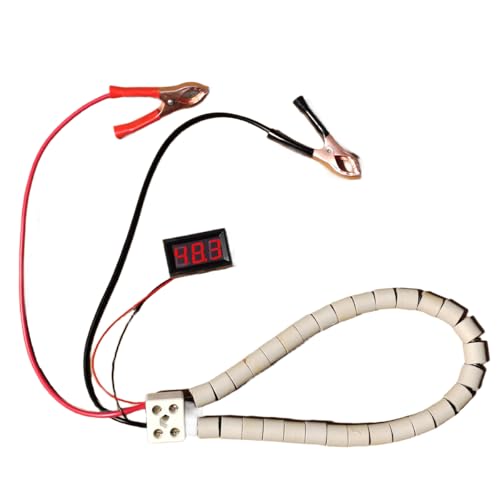 | Best Heavy-Duty | Voltage Compatibility: 48V (below 55V) | Maximum CCA Rating: Not applicable (48V load tester) | Load Test Capacity: 20A (48V) | VIEW LATEST PRICE | Read Our Analysis |
| Battery Tender 12V/6V Battery Load Tester |  | Best Overall | Voltage Compatibility: 6V/12V | Maximum CCA Rating: 1000 cranking amps | Load Test Capacity: 100A (12V) / 50A (6V) | VIEW LATEST PRICE | Read Our Analysis |
| TOPDON BT100 12V Car Battery Tester Automotive Battery Load Tester |  | Best for Beginners | Voltage Compatibility: 12V | Maximum CCA Rating: 2000 CCA | Load Test Capacity: Not specified (conductive tester) | VIEW LATEST PRICE | Read Our Analysis |
| Yaegoo Battery Load Tester Car Battery Tester 12V 100A / 6V 50A |  | Best Durability | Voltage Compatibility: 6V/12V | Maximum CCA Rating: 1000 CCA | Load Test Capacity: 100A (12V) / 50A (6V) | VIEW LATEST PRICE | Read Our Analysis |
| NEIKO 40510A 100 AMP Car Battery Tester |  | Classic Choice | Voltage Compatibility: 6V/12V | Maximum CCA Rating: 1000 CCA | Load Test Capacity: 100A (12V) / 50A (6V) | VIEW LATEST PRICE | Read Our Analysis |
More Details on Our Top Picks
BR502 6V/12V/24V Car Battery Tester 100-2000 CCA
You’ll find the BR502 is the most versatile tester for your 6V, 12V, or 24V golf cart batteries. It handles flooded, AGM flat plate, AGM spiral, and gel types with a 100 to 2000 CCA range. Plug it in, connect the clips, and within two seconds you’ll see results on the 1.8-inch HD screen. It shows state of health, state of charge, internal resistance, voltage, and CCA. The built-in microprocessor classifies your battery as Good, Normal, or Poor with up to 99.6% accuracy. Plus, polarity reverse protection keeps everything safe if you accidentally mix up the wires. No guesswork, just clear guidance on whether to recharge or replace.
- Voltage Compatibility:6V/12V/24V
- Maximum CCA Rating:2000 CCA
- Load Test Capacity:Not specified (conductive tester)
- Display Type:1.8-inch HD screen
- Battery Types Supported:Flooded, AGM flat plate, AGM spiral, Gel
- Clamp/Safety Protection:Polarity reverse connection protection
- Additional Feature:Tests dead batteries
- Additional Feature:Built-in intelligent microprocessor
- Additional Feature:Polarity reverse protection
TOPDC 100A Battery Load Tester 6V/12V Car Battery Tester 100-1000 CCA
The TOPDC 100A Battery Load Tester delivers reliable performance without breaking the bank. It’s a compact, lightweight tool (just 2 pounds) that handles 6V and 12V batteries, perfect for your golf cart, car, or RV. You’ll measure CCA from 100 to 1000, and the 100-amp load test (50A for 6V) accurately checks battery health.
- User-friendly design: Color-coded alligator clips and an analog dial make readings easy.
- Portable: Rubber grips and cooling vents ensure safe, comfortable use.
- Customer approved: With a 4.5-star rating from 139 reviews, it’s a top seller for a reason.
Grab it for straightforward, dependable diagnostics without the fuss.
- Voltage Compatibility:6V/12V
- Maximum CCA Rating:1000 CCA
- Load Test Capacity:100A (12V) / 50A (6V)
- Display Type:Analog dial
- Battery Types Supported:Not specified
- Clamp/Safety Protection:Heavy-duty color-coded alligator clips
- Additional Feature:Rubber-insulated carrying handles
- Additional Feature:Circular cooling ventilation holes
- Additional Feature:Analog/dial display
QWORK 12V 100A Battery Load Tester
Looking for a reliable yet affordable option in load testers for golf cart batteries? The QWORK 12V 100A Battery Load Tester is your sturdy companion. It packs a shock-resistant steel case and heavy-duty copper-plated clamps, handling both 6V and 12V batteries with a max CCA rating of 1,000. You also get an alternator testing function for checking your charging system. Its compact size and included handle make storage simple. With a solid 4.4-star rating from 295 reviews, it’s a durable choice that won’t break the bank. Just connect the clamps, read the voltage, and you’re set!
- Voltage Compatibility:6V/12V
- Maximum CCA Rating:1000 CCA
- Load Test Capacity:100A (12V)
- Display Type:Analog meter
- Battery Types Supported:Not specified
- Clamp/Safety Protection:Heavy-duty copper-plated clamps
- Additional Feature:Alternator testing function
- Additional Feature:Shock-resistant steel case
- Additional Feature:Copper-plated heavy-duty clamps
Battery Load Tester with LCD Display & Clamps
For a compact battery load tester that fits easily into your golf cart toolbox, the AUTTGINN AT008LIGHT is a solid pick. It works with 6V, 8V, 12V, 14V, 16V, and 24V batteries, so it’s compatible with most golf cart setups. You’ll get a clear LCD display and copper clamps with rubber grips for a secure connection. Use it for short bursts only, no more than 10 seconds per test, to avoid damage. It also includes safety protections against over voltage, short circuits, and reverse connections. Don’t worry if you see a little smoke on first use, that’s normal.
- Voltage Compatibility:6V/8V/12V/14V/16V/24V
- Maximum CCA Rating:Not specified
- Load Test Capacity:Not specified
- Display Type:LCD display
- Battery Types Supported:Flooded, Gel, Maintenance-free, Sealed lead-acid
- Clamp/Safety Protection:Over-voltage, over-current, short circuit, reverse connection protection
- Additional Feature:Insulated carry handle included
- Additional Feature:Over-voltage/short-circuit safeguards
- Additional Feature:Copper clips with rubber grips
12V/24V Car Battery Tester TOPDON BT300P Automotive Battery Load Tester
You’re after a loader that’s truly professional grade. The TOPDON BT300P delivers 99.5% accuracy in just 3 seconds, making guesswork obsolete. It handles 12V and 24V systems, covering flooded, AGM, Gel, and EFB batteries for cars, trucks, RVs, boats, and even lawnmowers.
Key benefits:
- Built-in thermal printer prints results instantly on standard paper, no ink needed.
- Spark-free copper clamps and reverse polarity protection keep you safe.
- Extra-long 31.5” cable reaches tight battery compartments easily.
It also checks your starter motor and charging system, so you catch failures before they leave you stranded. Lightweight at 16 ounces, it’s perfect for a mobile tool bag. TOPDON backs it with a 30-day return policy and 12 months of support.
- Voltage Compatibility:12V/24V
- Maximum CCA Rating:Not specified (supports CCA/JIS/EN/DIN/SAE/IEC)
- Load Test Capacity:Not specified (conductive tester)
- Display Type:2.4-inch color display with thermal printer
- Battery Types Supported:Flooded, AGM, Gel, EFB
- Clamp/Safety Protection:Spark-free copper clamps, automatic reverse polarity protection
- Additional Feature:Built-in thermal printer
- Additional Feature:Spark-free copper clamps
- Additional Feature:Extra-long 31.5” cable
48V 20A 960W Golf Cart Battery Load Tester
The 48V 20A 960W load tester is the go to choice for technicians who need a heavy duty workhorse for golf cart battery diagnostics. You’ll find it handles batteries below 55V with ease, using high quality alloy resistance wire and a ceramic ring for heat insulation. Yes, the ceramic might crack in transit, but don’t worry—it still works fine. Just watch the heat; it gets hot, so keep it away from flammable stuff.
Key specs you’ll appreciate:
- Minimum voltage: 3.5V (voltmeter stays dead below that)
- Compact size: roughly 5.91 x 3.94 x 1.57 inches
- Deep discharge capability for thorough checks
It’s built for pros like you, making diagnostics straightforward and safe.
- Voltage Compatibility:48V (below 55V)
- Maximum CCA Rating:Not applicable (48V load tester)
- Load Test Capacity:20A (48V)
- Display Type:Voltmeter display
- Battery Types Supported:48V batteries (below 55V)
- Clamp/Safety Protection:Not specified
- Additional Feature:Rapid/deep discharge capability
- Additional Feature:High-temperature ceramic insulation
- Additional Feature:Alloy resistance electric furnace wire
Battery Tender 12V/6V Battery Load Tester
Battery Tender’s 12V/6V load tester (Model 026-0020) is the top choice for golf cart owners who want a single tool that handles both deep cycle and starter batteries. You get a 100 amp load for 12V batteries and a 50 amp load for 6V ones, all through a simple toggle switch. The color-coded display shows battery health clearly, and you can also check your starter motor draw. It’s compact at just 2.1 pounds, with rubber-insulated clamps and a carrying handle. Plus, it works with batteries up to 1,000 cranking amps. No guesswork, just reliable results.
- Voltage Compatibility:6V/12V
- Maximum CCA Rating:1000 cranking amps
- Load Test Capacity:100A (12V) / 50A (6V)
- Display Type:Color-coded display
- Battery Types Supported:Starter and deep cycle types
- Clamp/Safety Protection:Color-coded alligator clamps
- Additional Feature:Single toggle switch operation
- Additional Feature:Color-coded display
- Additional Feature:Rubber-insulated carrying handle
TOPDON BT100 12V Car Battery Tester Automotive Battery Load Tester
If you own a golf cart, the TOPDON BT100 is a compact, no-fuss option that’s ideal for an at-home mechanic learning the ropes. This lightweight 9-ounce tester works perfectly with your 12V lead-acid battery, handling types like AGM, EFB, or GEL. It measures your battery’s State of Health (SOH) and State of Charge (SOC), plus voltage and current. Use it for three essential checks: a battery health assessment, a cranking test to see if your starter’s up to snuff, and a charging system evaluation. The color-coded LEDs give you instant results, so you’ll know if it’s time for a replacement before your next ride.
- Voltage Compatibility:12V
- Maximum CCA Rating:2000 CCA
- Load Test Capacity:Not specified (conductive tester)
- Display Type:Three-color LED indicators
- Battery Types Supported:Regular flooded, AGM flat plate/spiral, EFB, GEL
- Clamp/Safety Protection:Spark-proof, polarity-reverse prevention copper clamps
- Additional Feature:Three-function testing (health/cranking/charging)
- Additional Feature:Three colored LED indicators
- Additional Feature:Copper spark-proof clamps
Yaegoo Battery Load Tester Car Battery Tester 12V 100A / 6V 50A
You’re someone who relies on your golf cart day in and out, and you need a load tester built to last. The Yaegoo handles 6V and 12V batteries, throwing a serious 50A or 100A load to check health, starter draw, and your charging system. It’s accurate to within ±0.2V, so you’ll trust the readings.
- Supports batteries up to 1000 CCA, plenty for your golf cart.
- Ventilated casing keeps it cool during heavy use.
- Insulated handle and color-coded copper clips make transport and hookup safe and simple.
No guesswork, just reliable diagnostics. With a 4.5-star average from 250 reviews, this is a solid, portable choice for your garage.
- Voltage Compatibility:6V/12V
- Maximum CCA Rating:1000 CCA
- Load Test Capacity:100A (12V) / 50A (6V)
- Display Type:Analog meter
- Battery Types Supported:Not specified
- Clamp/Safety Protection:Copper clips with red/black rubber grips
- Additional Feature:Ventilated casing prevents overheating
- Additional Feature:Copper clips with rubber grips
- Additional Feature:±0.2V voltage measurement accuracy
NEIKO 40510A 100 AMP Car Battery Tester
For golfers or garage tinkerers wanting a reliable way to check 6V and 12V batteries without digital fuss, this Neiko unit is a classic choice. You get an analog meter with a tough, protected face. It delivers a 100 AMP load for 12V batteries and a 50 AMP load for 6V models, handling up to 1,000 CCA. Here’s the drill:
- Hold the test switch for 10 seconds.
- Then, let the unit cool for one minute.
- You can perform up to three tests in five minutes.
Don’t worry about sparks: the internal switchgear safeguards you. Voltage readings land within ± 0.2V, so they’re accurate. Just verify your battery has at least 6 volts for it to work. Copper clamps with red and black grips make connections foolproof. A top handle keeps it portable for garage or golf cart use. Simple and sturdy!
- Voltage Compatibility:6V/12V
- Maximum CCA Rating:1000 CCA
- Load Test Capacity:100A (12V) / 50A (6V)
- Display Type:Analog voltage meter
- Battery Types Supported:Not specified
- Clamp/Safety Protection:Copper clamp connectors, protected against sparking
- Additional Feature:Protected analog voltage meter
- Additional Feature:Internal spark-protected switchgear
- Additional Feature:Ergonomic carrying handle
Factors to Consider When Choosing a Load Tester for Golf Cart Batteries

When you’re picking a load tester for your golf cart, you’ll need to check the battery voltage range first since these carts commonly use 6-volt, 8-volt, or 12-volt batteries. Also consider the CCA testing capacity, as that tells you if the tester can handle your batteries’ cold cranking amps, and pay attention to the load test duration, which should be long enough to reveal a weak cell but not so long it damages your battery. Don’t ignore display readability and safety protection features, because a clear screen keeps you confident while built-in safeguards prevent overheating or reverse polarity mishaps.
Battery Voltage Range
Because golf cart battery systems come in two main flavors, 36V and 48V, your first move is to match the tester’s voltage range to your specific pack. You’ll want a device that accurately reads from as low as 3.5V up to your system’s max voltage. That guarantees you catch weak cells without frying the tool. Verify compatibility upfront; a mismatched tester gives unreliable readings or worse, damage. Look for a clear, easy to read voltage display too, you’re making decisions based on those numbers. No need to overcomplicate it. Stick to your pack’s voltage, check the lower limit, and confirm the display works for you. Simple steps that save headaches down the road.
CCA Testing Capacity
If your golf cart’s battery pack is built for serious starting power, you need a load tester that can handle that Cold Cranking Amps (CCA) rating. A higher CCA testing capacity lets you accurately assess batteries with greater starting oomph without overstressing or under testing them. This capacity determines the maximum current the device safely applies during a load, so match it to your battery’s specs for reliable diagnostics. For precise performance evaluations, choose a tester with a CCA range that equals or exceeds your battery’s rating. That way, you get representative results every time. And don’t forget, different battery sizes demand different CCA capacities, so selecting the right range ensures your tester works across your entire pack without guesswork!
Load Test Duration
Since the goal is getting a true reading without cooking your battery, the load test duration matters a lot. Most testers run between 10 and 30 seconds. Shorter durations, like 10 seconds, cut the risk of overheating and keep your battery safe. Longer tests, say 20 to 30 seconds, give you a deeper look at capacity but crank up thermal stress. That’s a tradeoff you don’t want to guess on.
Always check the manufacturer’s instructions for the exact time they recommend. They built the tool, so they know what’s safe. Here’s the quick breakdown:
- 10 seconds: Low risk, good for quick checks.
- 15 to 20 seconds: Balanced for most golf cart batteries.
- 30 seconds: Thorough but watch for heat buildup.
Proper timing isn’t optional. It’s the difference between reliable data and a damaged pack. Stick to the spec, and you’ll get honest results every time.
Display Readability
When you’re staring down a battery display in direct sunlight or a dim garage, readability isn’t a luxury, it’s a necessity. You want a load tester with a high-contrast LCD or analog meter that cuts through glare. Look for backlighting, because that small feature makes all the difference when you’re craning your neck in poor light. A clear display should show voltage, resistance, and load capacity simultaneously, so you don’t have to toggle between screens. And big, legible fonts mean fewer squinting errors. Prioritize a user-friendly interface that presents results in plain language, not cryptic codes. You’ll appreciate how quickly you can interpret data when every second counts. Remember: a readable display saves you time and frustration, keeping your focus where it belongs, on your battery’s health.
Safety Protection Features
A readable display only gets you so far if a spark or a short circuit sends your work up in smoke. That’s why you need safety protection features that prevent damage before it starts. Look for over-voltage, over-current, and short circuit safeguards; these keep your battery and tester safe from electrical mishaps. A reverse polarity alarm or automatic polarity reversal is a lifesaver, shutting things down if you accidentally hook up the clamps backward. Insulated clamps and housing materials prevent shocks, so you can handle the device with confidence. Temperature-resistant components and thermal insulation minimize risks from high operational heat. These built-in alerts warn you of unsafe conditions, helping you avoid accidents and equipment damage without guesswork.
Portability and Build
If you’re often testing batteries out in the field, portability becomes a major dealbreaker. A lightweight unit, under 3 pounds, makes a world of difference when you’re hauling gear across the course. Look for compact dimensions, roughly 6 to 12 inches, so it slides easily into your toolkit or storage compartment. Rugged construction is non-negotiable here; shock-resistant or reinforced casing protects the tester from knocks and drops during outdoor use. Rubber grips and insulated handles keep your hands comfortable and safe during repeated hookups. And don’t overlook the cables: long, flexible leads let you reach awkward, hard-to-access battery placements without straining. An ergonomic design with thoughtful cable length cuts frustration, especially in tight corners. Prioritize build quality, and you’ll save yourself headaches in the long run.
Battery Type Compatibility
So you’ve sized up a portable, rugged load tester built to survive the course. Now, don’t blow it on compatibility. First, match the voltage. Most carts run 36V or 48V, so grab a tester that locks onto that, or you’ll get useless readings. Next, check your battery chemistry. Flooded, AGM, gel, or lithium each need specific testing algorithms. A flooded-only tester won’t read a lithium pack correctly. You also need CCA or Ah capacity support; oversized cells under-test and give you false confidence. And physically, verify the clamps fit your terminal posts, whether they’re top-post or flag-style.
- Voltage: 36V, 48V, or both?
- Chemistry: flooded, gel, AGM, lithium.
- Capacity: CCA range matches your pack.
- Terminals: clamps fit snugly.
If you run mixed chemistries, pick a unit with selectable profiles. That’s the only way to trust the numbers.