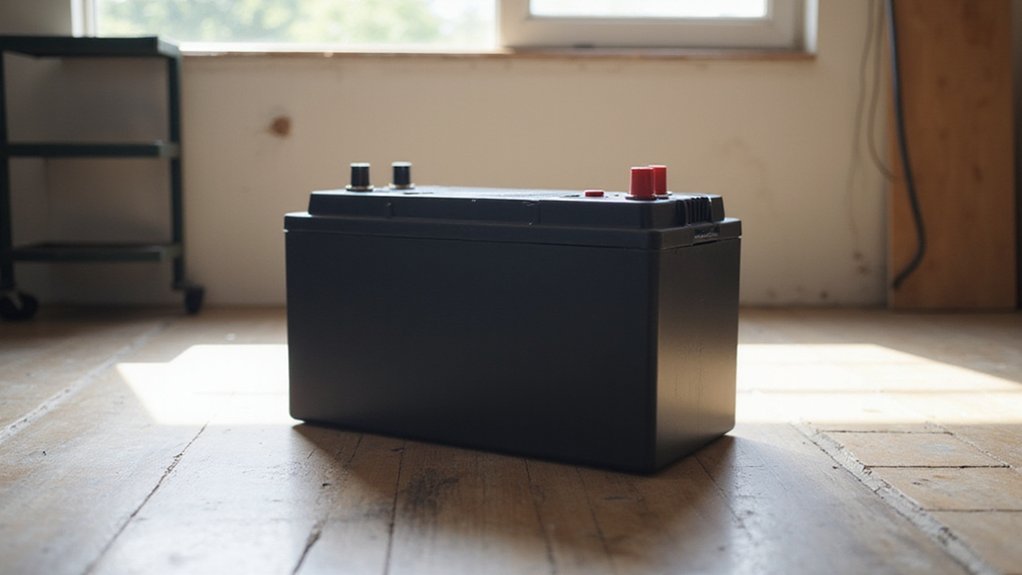
Wondering how much replacing your golf cart batteries will cost? Prices can range from around $500 to $4,500 depending on the type and voltage.
Choosing the right batteries involves weighing upfront costs against long-term benefits.
Keep reading to find out what influences the price and which option might be best for you.
What’s the Real Golf Cart Battery Replacement Cost?
The cost to replace your golf cart batteries typically ranges from $500 to $4,500, depending on the type of batteries you choose. The difference in price is primarily driven by the battery chemistry. A flooded lead-acid set usually costs between $800 and $1,700 installed, while AGM batteries fall in the $1,200 to $2,800 range. Lithium battery packs are the most expensive, with installed costs from $1,800 to $4,500. For those seeking greater distance per charge, the best gas motor options can provide a meaningful alternative to battery upgrades. For a more informed decision, you can compare top golf cart reviews that evaluate quality and performance. Additional expenses include installation labor, which can add $100 to $300, and accessories like chargers, costing between $50 and over $200. Your cart’s voltage system and the number of batteries installed will also influence the total cost. Comparing different options carefully can help you avoid unexpected expenses and ensure you select a battery setup that balances upfront cost with longevity. However, lithium batteries often provide a significantly longer lifespan and lower total cost of ownership over time, despite their higher initial price.

Applicable Battery Type --- DROK digital battery monitor is suitable for 10-100V (12v 24v 36v 48v 60v ) lithium battery, lead-acid battery, lithium iron phosphate battery, Ni MH battery.

Enhanced Battery Safety: Daly 48V BMS 16S offers protection against overcharging, overdischarging, overcurrent, short circuits and extreme temperature, ensuring the safety and longevity of your battery pack.
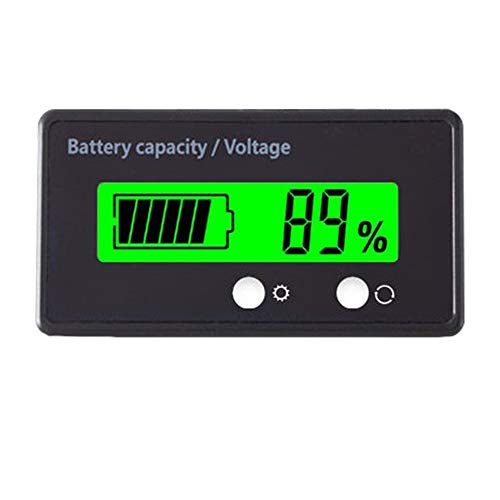
Universal battery capacity indicator voltage meter - wide voltage input range DC 12V-84V Lead-acid Batteries and 3S-26S Lithium Batteries: Ternary lithium batteries, polymer batteries, lithium-ion batteries, storage batteries.
Lead-Acid vs. Lithium: Which Is Worth Your Money?
Lithium batteries are worth your money if you want durability and better overall performance. Although they cost 2 to 3 times more initially—typically between $2,000 and $4,500—they last 8 to 10 or more years, compared to 3 to 5 years for lead-acid options. This means you replace lead-acid batteries two or three times over a decade, while a lithium pack may only need replacement once or not at all, offering a lower total cost of ownership over time. Lithium batteries also provide consistent voltage, enable faster charging, and require no maintenance. You’ll get around 80 to 100 percent of their rated capacity, giving you more usable range than lead-acid batteries, which typically deliver only about 50 percent of their capacity. Additionally, lithium batteries have a longer lifespan, meaning fewer batteries to dispose of, reducing environmental impact, though recycling infrastructure for lithium is still developing. For a direct comparison of performance, models like those in Top Lithium Golf Carts for Quality and Performance achieve consistent voltage and rapid charging with minimal upkeep. For a specific comparison of top lithium options, consult a buyer’s guide that reviews the best batteries for golf carts. If you want to upgrade your golf cart for even better efficiency, consider exploring simple speed boost tips to complement your new battery setup.

Born for 48V Golf Cart: Special designed for 48v golf cart industry, OGRPHY 48v lithium golf cart battery is compatible with golf cart controllers of all major brands on the market. Built in premium grade A prismatic LiFePO4 cells(UL certified), this 48v battery has better durability & safety. Over 5kWh capacity equals 8pcs 12V 100AH lead acid batteries. Max 10.24kW continuous power & peak 51.2kW power (50% more powerful than standard lithium batteries) to conquer hills/rough terrain effortlessly.

All-in-One 48V Lithium Golf Cart Battery Upgrade Kit – Comes with everything you need for a seamless upgrade: a high-performance 56.8V 18A charger, 2.8-inch LCD touch display for real-time monitoring, voltage converter for stable output, and a durable retention strap—no additional accessories required.

【ULTRA HIGH PERFORMANCE - CLASS A BATTERY】: LOSSIGY 36V100AH Lithium Battery Golf Cart is made of class A chip, equipped with 43.8V25A smart charger, 9 in1 battery monitor, built-in 200A BMS, 3840W Powerful, 1000A peak current. IP65 waterproof. Preferred item for golf cars, trolling motors.
How Voltage and Battery Count Affect Your Final Price
Higher voltage carts tend to cost more upfront. For example, a 36V lead-acid system usually ranges from $600 to $900. Increasing the voltage to 48V often doubles that price, and 72V setups can easily reach $2,000 or more. When selecting a system, consider that top soundbars for golf carts can also add to your overall budget.
Battery count significantly affects the final cost, not just the individual battery price. A typical 36V system uses six 6V batteries, while 48V systems usually have six 8V or four 12V batteries. More batteries mean a higher initial expense, even if each battery seems inexpensive on its own. Higher voltage systems also offer benefits like improved charging efficiency and potentially longer battery life, but you pay a premium for these advantages. Always prioritize selecting the correct voltage first and then determine how many batteries you’ll need based on that voltage. Lithium iron phosphate batteries, for example, offer cycle life between 3,500 to 4,000 cycles. The durability of these batteries often depends on the quality of the solenoid that manages the high-current connection. To maintain that lifespan, pairing them with a lithium battery charger designed for your specific voltage ensures optimal performance.
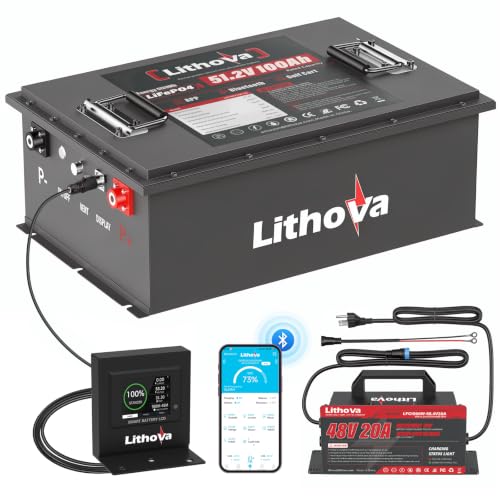
Get Rid of Lead Acid Batteries Now: Revolutionize your golf cart with Lithova 48V golf cart lithium conversion kit! This 48V lithium battery directly replaces 6-8V 100Ah heavy lead-acid batteries in one simple installation. Enjoy 74% weight reduction, 60% smaller size, and extended 50-mile range (effortless 7-9 Rounds of 18-hole courses). Lasts 8x longer than lead-acid batteries, Up to 15000 deep cycles ensure maintenance-free performance and long-term reliability.

[10 Years Lifetime and 5000+ Deep Cycles] OGRPHY 48 volt lithium battery is made of new grade A cells with UL certification. 10 years lifetime and 5000+ deep cycles is not just a slogan under instructions on the product manual.
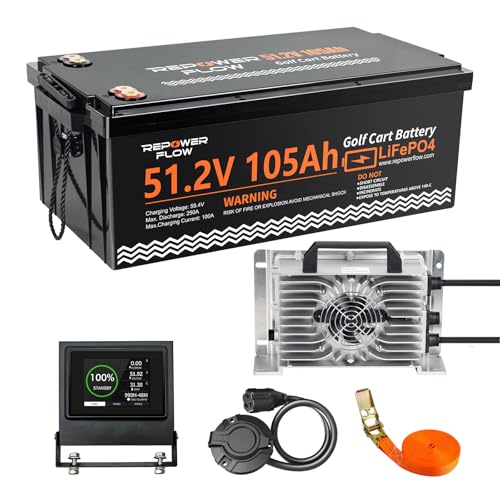
[Dual Terminals Advantage] – Unique dual terminal design allows flexible connection for parallel or series setups, providing more convenience and compatibility than traditional single terminal golf cart batteries.
What Hidden Costs (Labor, Charger, Disposal) Add to the Bill?
Labor, a new charger, and disposal fees can add hundreds to your bill when buying golf cart batteries. Basic lead-acid installation labor typically costs between $75 and $150, while a lithium conversion can push this cost to $300–$500. If you switch chemistries, you’ll also need a new charger, which can range from $150 to over $700. Disposal fees for batteries usually run $10 to $30 each for haul-away and recycling. Additional charges such as system testing, which can cost $30–$60, or wiring adjustments, which can be $50–$150, may also appear on your invoice. Always ask for an itemized quote to avoid unexpected costs.
Should You DIY or Hire a Pro for Replacement?
Replacing your golf cart batteries yourself is possible for basic lead-acid setups if you have the right tools and follow safety precautions. You’ll need gloves, goggles, and a well-ventilated workspace. Disconnect the negative cable first to prevent sparks, and handle each battery carefully since they weigh between 60 and 80 pounds. Proper lifting technique is essential to avoid strain. To help you see clearly during installation, consider comparing top LED light kits for your cart. To ensure your new batteries charge efficiently, it is also wise to research 24 volt battery charger options that match your battery type. For those upgrading their cart, reviewing the best golf cart parts for reliability can help you choose compatible components.
However, installation gets more complicated with corroded wiring, added accessories, or nonstandard configurations. Mishandling cables or wiring mistakes can damage your cart or cause shorts, which may lead to costly repairs. Professional installers reduce these risks by ensuring correct wiring, handling the physical demands safely, and thoroughly testing the system afterward. If you’re uncertain about safety procedures or wiring complexity, hiring a pro can prevent headaches and potential damage. Keep in mind that lithium battery warranties often require professional installation to remain valid.

24V 25A Lead Acid Battery Charger : 24V 25A battery charger is designed for 24V lead Acid Battery. Charging Specs :24V; Charging Current : 25A; Operating temperature: -20℃ - 50℃. It delivers efficient and reliable charging for forklifts, electric Pallet Jack forklifts, golf carts, scrubbers, sightseeing vehicles. With high efficiency, stability and energy saving.

Fast Charging & Wide Application: 24V/30A/1250W fully-automatic smart charger, ideal for all 24 Volts lead-acid battery-powered vehicles (forklifts, floor scrubbers, golf carts, patrol cars, etc.); Plug-and-play, connect battery terminals, insert 110V plug, 3s self-test then charge, auto-stop when full; 7-stage smart charging with trickle mode prevents overcharging, extends battery life; Built-in cooling fan ensures stable operation

[24V30A Charger]: YILEIDE Forklift Battery Charger is a 24V30A smart charger, supporting lead-acid battery and 8S LiFePO4 and lithium battery charging to meet the charging needs of different battery types. Equipped with 1.5m input cable and 2.9m output cable and 175A Anderson plug, charging is not restricted by space and more convenient to use. Suitable for forklifts, scrubbers, sightseeing carts, golf carts and other common electric equipment, providing you with reliable charging solutions
Lithium vs. Lead-Acid: When Does Each Option Pay Off?
Lead-acid batteries generally cost between $700 and $1,700, making them the more budget-friendly choice upfront. If you only drive your golf cart occasionally, this initial saving can be appealing. However, consider battery lifespan: lead-acid batteries typically last 2 to 3 years and need replacement multiple times over a decade. In contrast, lithium LiFePO4 batteries cost $1,800 to $4,500 but last between 8 to 12 years, meaning you might only replace them once or twice in that period.
Over the long run, lithium batteries often prove more economical because their extended lifespan reduces replacement costs. Additionally, lithium offers 30 to 50 percent more range per charge, faster charging times, and zero maintenance. These benefits are especially valuable if you frequently use or rely on your golf cart. For rough terrain or muddy conditions, pairing lithium batteries with high-traction mud tires can further enhance performance and longevity. On the other hand, if budget constraints are tight and your usage is light, lead-acid batteries can be a sensible short-term option.
How Do You Get the Best Value on Your Battery Buy?
To get the best value on your battery purchase, focus on total ownership costs rather than just the sticker price. A complete set of batteries can range from $800 to $3,000. Installation typically adds another $100 to $300, while extra parts might cost between $50 and $200. It is crucial to consider the battery’s lifespan and compatibility with your charger—mismatched voltage or chemistry can negate your savings. Ensure the battery matches your cart’s voltage and configuration to prevent returns or compatibility issues. Additionally, consider upgrading your cart with yamaha seat covers for enhanced comfort and style during your drives. For those also exploring other power options, a gas motor can offer a different balance of performance and maintenance. Reading a top picks comparison can help you identify which battery types deliver the best performance for your budget.
Use the length of warranty as a key value indicator. A five-year warranty generally offers more security than a cheaper set that may fail sooner. Lithium batteries tend to last around 8 to 10 years, making them a longer-term investment, whereas flooded lead-acid batteries require monthly watering, increasing maintenance costs. Sealed AGM or gel batteries reduce maintenance chores and often deliver better overall value.
Shop wisely by comparing at least three suppliers, including local dealers and online sellers. Look for sales or promotions to maximize your savings. Ultimately, the best value balances the upfront price, service life, warranty coverage, and ongoing maintenance costs—not just the lowest initial sticker price.

Get Rid of Lead Acid Batteries Now: Revolutionize your golf cart with Lithova 48V golf cart lithium conversion kit! This 48V lithium battery directly replaces 6-8V 50Ah heavy lead-acid batteries in one simple installation. Enjoy 74% weight reduction, 60% smaller size, and extended 25-mile range (effortless 3-5 Rounds of 18-hole courses). Lasts 8x longer than lead-acid batteries, Up to 15000 deep cycles ensure maintenance-free performance and long-term reliability.

【24 hours Customer Service】Cloudenergy provides technical support and online customer service with fast feedback within 24 hours. If you have any product-related issues or questions, please get in touch with us directly, Cloudenergy support team is always here for you.

Grade A Cells: LOSSIGY 48 Volt lifepo4 lithium golf cart batteries are manufactured of auto grade-A cells with higher energy density, more stable performance&greater power.