Wondering if you can take a golf cart out on the road? The answer depends on your local laws, which can vary widely.
Typically, driving a golf cart on public roads is allowed only under certain conditions, like having a valid driver’s license and proper safety features.
Read on to learn what is and isn’t legal when it comes to hitting the streets with a golf cart.
Yes, But Only Under These 4 Conditions
You can drive a golf cart on public roads only if you meet four specific conditions. First, you need explicit permission from your local authority, which must designate particular road segments for golf cart use. Without this official approval, driving on public roads is illegal. In many jurisdictions, these vehicles are limited to roads with a speed limit of 35 mph or less, as they typically cannot exceed 25 miles per hour under federal LSV standards. The initial purchase price of a new cart can range from $5,000 to $15,000, with street-legal upgrades often adding several thousand dollars more.
Second, you must install and maintain mandatory safety features. These include effective brakes, steering, tires, mirrors, and reflectors. Additional safety equipment such as lights and turn signals are also required to make your golf cart street-legal. Many states require a Low-Speed Vehicle designation for higher safety compliance.
Third, holding a valid driver’s license is essential. Most states set the minimum age at 16, and you must comply with all roadway rules applicable to licensed drivers.
Finally, registration, a permit, and proof of insurance are often mandatory. These requirements help identify your vehicle on the road and ensure it is properly insured before you drive. Factoring these recurring costs into your budget is wise, since insurance and permit fees can add hundreds of dollars annually on top of the cart’s base price.

[Premium Lighting Upgrade]:Upgrade your golf cart with this deluxe light kit, designed for 1996-2013 gas and electric carts This high-quality lighting kit is the perfect solution to enhance both the functionality and appearance of your golf cart Whether you're cruising around the neighborhood or hitting the course, premium lighting will ensure you stand out and stay safe
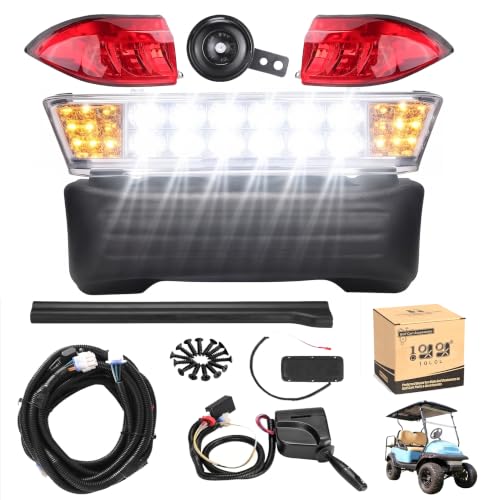
Club Car Precedent Fitment: Designed for 2004-2018 Club Car Precedent gas and electric golf carts, 12V street-legal light kit with headlight, taillight, turn signals, horn, brake pad, and hazard functions
Which Speed Limits and Roads Allow Golf Carts?
Golf carts are generally allowed on roads where the posted speed limit is 25 mph or less. Your ability to drive on a specific road depends on both this speed limit and whether the road has been officially designated for golf cart use by local authorities. Many jurisdictions use 25 mph as the strict cutoff point, though some may extend permissions up to 30 or 35 mph. However, simply having a low speed limit doesn’t automatically grant access—local governments must explicitly approve and designate certain roads. Always check for road signage that indicates approved routes for golf carts, as unofficial roads or roads without dedicated signage remain off-limits. State highways and federal roads are almost always closed to golf carts, regardless of the speed limit. When crossing higher-speed roads, designated crossing points are often required to ensure safety. Before you add any road-legal accessories to your golf cart, verify your local ordinances and posted speed limits carefully to avoid traffic tickets or legal issues. Upgrading to a high-torque motor can improve acceleration and hill-climbing performance for approved road use. Additionally, worn-out tires can affect your ability to safely control the cart on approved roads, often lasting 5 to 7 years with proper care. Driving on roads with posted speed limits above 25 mph is generally prohibited unless a local ordinance specifically allows it.
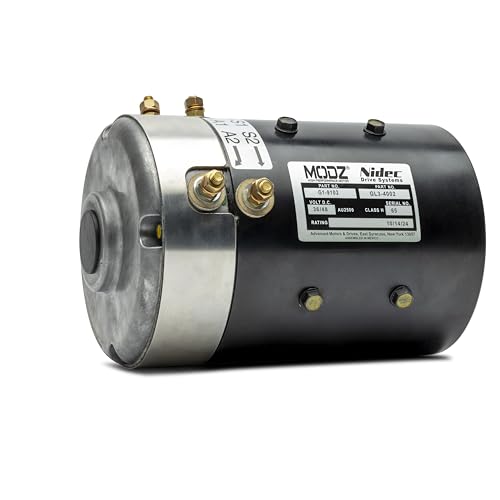
High Speed Performance: Increases top speed between 25-35% mph with the factory controller, compared to the stock motor
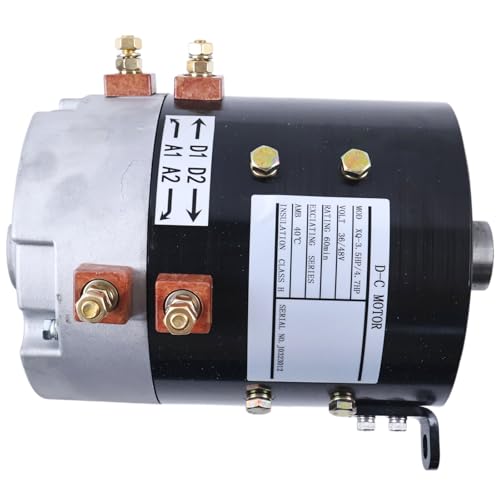
Part Number: 1012191 1018134-01 1017857-04 101785704 5BC48JB764 D00-4008A D00-4008 D379 5BC48JB844
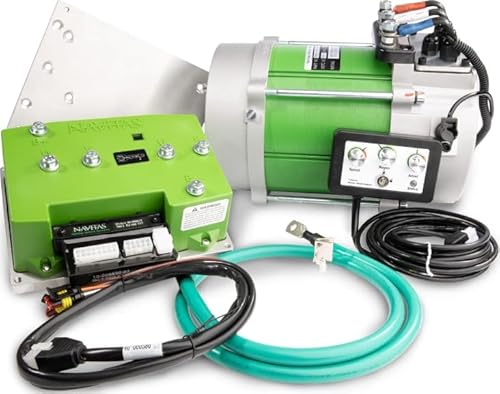
Fits 48v Club Car DS IQ, Precedent, Onward, Tempo Electric Models
Golf Cart Laws in Florida, South Carolina, and Virginia
In Florida, golf cart access is limited to roads that are specifically designated for their use, with a posted speed limit of 30 mph or less. You must rely on clear road signage to identify these permitted routes. Only these authorized roads allow golf carts, and driving elsewhere could lead to violations. This means before taking your golf cart out, check for signs indicating where they are allowed. If you’re unsure, stick to residential streets or areas explicitly marked for golf cart operation to avoid fines or safety issues. Understanding this distinction is important because, under the law, a golf cart is not classified as a motor vehicle in the same way as a Low-Speed Vehicle (LSV). To keep your cart road-ready and avoid breakdowns, it is essential to select one of the top battery chargers that ensure reliable power and safety. In Texas, golf carts are generally banned from public roads unless the local municipality has explicitly authorized their use with specific equipment upgrades.

【Upgraded Battery Charger】AUTOUTLET 8 volt battery charger extends the charging cable, adds a carrying handle to make it more convenience to use; and adopts the cable clamps of thickened material which can hold the battery terminals more firmly

48V 15A GOLF CART CHARGER: Built for Club Car cart batteries. FirstPower golf cart charger features upgraded 3-Pin Round plug for instant plug-and-charge simplicity, are perfectly compatible with the golf cart. Optimized for 48V lead-acid systems (excludes lithium), its adaptive charging algorithm prevents sulfation. The ultimate 48V battery charger replacement for fast, reliable power delivery.

SMART MULTI-VOLTAGE UNIVERSAL BATTERY CHARGER – The All-in-One Power Solution for Every Lead-Acid Battery. This intelligent automatic charger seamlessly adapts to 6V, 8V, 12V, 14V, 16V, and 24V batteries, offering extensive compatibility with virtually all lead-acid batteries, including WET, MF, CA, AGM, GEL, SLE, VRLA, EFB, and STD. Featuring fully automatic charging current from 0 to a maximum of 15A, it delivers rapid, customized power for everything from routine maintenance to emergency charging—ensuring your battery receives the precise charge it needs.
Who Can Drive a Golf Cart on Public Streets?
You can legally drive a golf cart on public streets if you meet certain requirements. Typically, you need to have a valid driver’s license and be at least 16 years old. In some states like Florida, 15-year-olds with a learner’s permit may be permitted to operate golf carts on public roads, but most states require a full driver’s license. Unlicensed drivers and children are generally not allowed to operate golf carts on public streets, even if they are capable of driving on private property. It’s also important to keep your golf cart properly maintained and have appropriate golf cart insurance to comply with local laws. To avoid interruptions on the road, you should also follow golf cart battery charging best practices to prevent overcharging and ensure your vehicle is ready when needed. Always check your city or state’s specific ordinances, as they can impose stricter rules than state regulations. Confirm your age and license status before taking your golf cart onto public streets to avoid penalties. Additionally, understanding the build quality of your cart’s manufacturer can help you ensure it meets safety standards for road use. Selecting a model with reliable performance and long-lasting power can further support your compliance with road-readiness requirements.

【15 Amp Rapid Charger/Lead-Acid】 EPOWREY 48 volt battery charger for Club Car golf carts with 3-pin round plug.This charger is designed as a one-piece plug, using a rubber cord that is more abrasion-resistant and heat-resistant than PVC cords, and have effective waterproofing advantage.

【18 Amp Rapid Charger/Lead-Acid】EPOWREY 18 Amp 36 Volt golf carts battery charger for EZGO TXT - D style plug.Our chargers are designed for fast, convenient and safe charging in a variety of situations.

【48 Volt 15 Amp Golf Cart Charger】EPOWREY golf cart battery charger is designed to quickly and safely charge EZGO RXV and TXT golf cart batteries with 3-pin Triangular plug. Our golf cart battery charger utilize advanced smart charging technology with high output voltage and current accuracy, good stability and up to 90% efficiency to ensure efficient and reliable power for your golf cart
Equip Your Golf Cart for Street-Legal Status
To make your golf cart street-legal, it must meet federal equipment standards for low-speed vehicles (LSVs). This includes installing headlamps, tail lamps, stop lamps, and turn signal lamps that flash between 60 and 120 times per minute. Reflex reflectors should be placed on the front, rear, and sides for increased visibility. Mirrors are necessary for rearview monitoring, and you’ll need a parking brake and seat belts at every seat. A horn and a DOT-approved windshield are also required to comply with safety regulations. Upgrading to a Lithium Battery Conversion Kit can improve performance and reduce weight for your LSV. If the battery fails to hold a charge, checking the charger for a blown fuse can resolve the issue. Your cart must have a 17-digit Vehicle Identification Number (VIN) and be capable of reaching speeds over 20 miles per hour but less than 25 miles per hour to qualify. Before registration, most states require you to have golf cart insurance. Conversion kits are available that bundle these upgrades, but you should verify local regulations because some areas may specify additional requirements such as illuminated license plate holders or DOT-approved tires. For transporting drinks or gear, you might also consider a golf cart cooler with mounting bracket to keep items secure while driving.

Motion Sensor Technology: Long-press power button for 2 seconds to activate hands-free mode. Simply wave your hand to turn on/off or switch modes - perfect for cycling, hiking, or working in dark spaces without touching the headlamp.

Multi-Use - Can be worn as a traditional headlamp, used as a handheld flashlight, or attached to any magnetic surface to brighten the area around you or your workspace
Smart Steps Before Driving Your Golf Cart on Any Road
To drive your golf cart on any road legally and safely, follow these essential steps. Start by verifying your local road laws, as regulations can differ significantly between states, counties, and cities. Check if your planned route is limited by speed zones, daylight operating hours, or designated streets for golf carts. Be sure to also confirm age restrictions, licensing requirements, and registration rules specific to your area, as these can vary widely. Additionally, review parking regulations along your route to prevent fines or towing when stopping.
Next, inspect your safety equipment thoroughly. Test the steering, brakes, and parking brake to ensure they function properly before starting your trip. Confirm that headlights, taillights, and turn signals work clearly and reliably, and that your horn is operational. Adjust and secure your mirrors for optimal visibility. Check your tires for proper inflation and damage; uneven or underinflated tires can be hazardous. Finally, scan for any fluid leaks or loose parts that could cause issues on the road. Prioritize passenger safety by setting a correct passenger limit—never exceed the number of available seats—and keep everyone seated and buckled during the ride. To ensure you choose a reliable model, review top picks on quality and performance. If your cart uses dead batteries, follow a safe recharge procedure to avoid injury and equipment damage. For those on a tight budget, consider affordable rides that balance cost and reliability without sacrificing essential safety features.
Plan your route carefully to avoid prohibited roads, slow down appropriately at intersections, and stay focused by avoiding distractions. These precautions ensure you stay compliant with local laws and maintain safety for everyone involved.