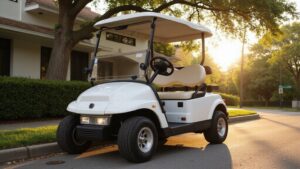
Are you wondering how much electric golf carts typically cost? Whether you’re looking for a budget-friendly used model or a top-of-the-line new cart, prices can vary widely.
In general, new basic models start around $5,000, while premium options can exceed $14,000.
Keep reading to see what factors influence the price and what you can expect at each level.
What’s the Starting Price for a New Electric Golf Cart?
Most new electric golf carts start around $5,000 to $8,500. These entry-level models are typically basic 2-passenger configurations with lead-acid batteries. They focus on utility rather than luxury, offering lower upfront costs by sacrificing battery capacity and premium features. These carts usually feature simple steering wheels, basic seats, and lack street-legal add-ons like lights or turn signals. They do not come with advanced suspension or upgraded wheels, making them a no-frills option suitable for short, gentle rides on the course. When comparing dealer versus private sale options, remember that a dealer purchase often provides a warranty and certified inspection, while a private sale may offer a lower price but requires a more thorough hands-on evaluation. To keep operating costs low, you should also consider the quality of the battery charger used for recharging. Major brands tend to price their entry-level models closer to $7,000–$9,000, while some value-oriented dealers might offer them near $6,500. Keep in mind, choosing lithium batteries or adding extra seats will push the price above this starting range. For Yamaha models specifically, upgrading to lithium batteries can extend battery lifespan significantly compared to lead-acid options. If your goal is a budget-friendly, basic cart, this range provides a good starting point, with upgrades available as your needs or budget grow.

EASY FOLDING & PORTABILITY: This golf push cart features a 3-step quad-fold system that folds in seconds for compact storage. At just 13.75 lbs, this lightweight golf push cart is portable, trunk friendly, and perfect for travel and easy storage.
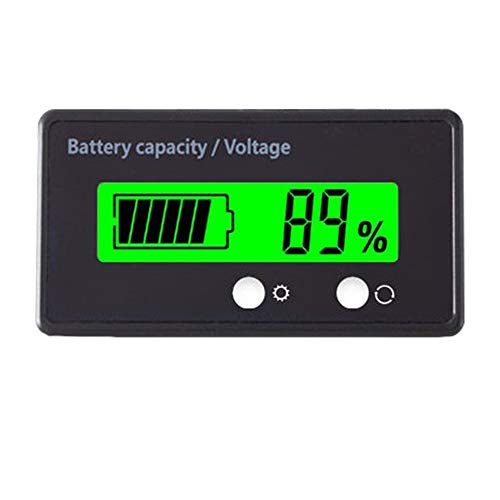
Universal battery capacity indicator voltage meter - wide voltage input range DC 12V-84V Lead-acid Batteries and 3S-26S Lithium Batteries: Ternary lithium batteries, polymer batteries, lithium-ion batteries, storage batteries.

COMFORTABLE TO PUSH: The adjustable padded handle fits golfers of any height, making the cart easier to push and reducing hand and arm tiredness during long rounds
How Much Does a Mid-Range Electric Cart Typically Cost?
A mid-range electric golf cart typically costs between $7,000 and $12,000 when purchasing new. Most popular models fall around $9,000 to $10,000, offering a balance of features and affordability. The price you pay largely depends on the battery technology—lithium-ion batteries push costs toward the higher end, while lead-acid batteries keep prices lower. Brand reputation also influences pricing, with well-known manufacturers often charging more for better reliability and resale value. On the used market, AGM-equipped mid-range carts usually sell for $5,000 to $9,000, whereas used lithium models tend to hold their value, selling for $9,000 to $13,000. The condition and battery health of a used cart are key factors in determining its price. Safety upgrades like DOT-approved windshields can add to the overall cost but improve durability. For top picks that excel in quality and performance, prices often align with these mid-range expectations. Factors such as Club Car prices can vary significantly by model year and overall condition.
What a $14,000+ Premium Cart Actually Includes
Once you reach the $14,000+ mark, you’re getting more than just a basic golf cart. This price tag unlocks a vehicle that combines utility with luxury features. Inside, you’ll find leather-style heated seats for comfort in any weather, a soft-touch dashboard for a premium feel, and rear armrests with USB ports to keep your devices charged. The touchscreen isn’t solely for looks; it supports Apple CarPlay and Android Auto, offering seamless smartphone integration. A high-quality sound system with Bluetooth connectivity and a subwoofer ensures your favorite tunes sound great on the go. Under the hood, a powerful AC motor and regenerative braking provide smooth, controlled acceleration, making the ride effortless. Advanced suspension upgrades offer better handling and comfort over uneven terrain. Safety features come standard, including full LED lighting, a backup camera, and 3-point seat belts for security. The custom paint finish, alloy wheels, and ambient interior lighting give your cart a personalized, street-ready appearance, making it clear this vehicle is built for more than just the golf course. For buyers seeking premium performance and luxury, this model reflects the top-tier quality and value benchmarks highlighted in expert golf cart reviews. Many of these premium builds also rely on Trojan battery technology to deliver consistent power and long-lasting performance throughout the day. To protect this investment while transporting it, owners often pair it with a dedicated trailer that features reinforced ramps and tie-down systems for secure hauling.

4 pack golf cart keys fits EZGO TXT, RXV, Medalist, MPT, ST-Sport, Workhorse, Terrain, Express gas and electric 1982-up

HIGH EFFICIENCY: Supports 20V–60V input (compatible with 24V/36V/48V systems), stable 12V 20A (240W) output. Synchronous rectification technology, up to 95% conversion efficiency. 30%-50% power headroom is suggested for stable performance

4 pack golf cart keys for Yamaha G14 G16 G19 G20 G21 G29 Drive gas and electric model
Why Lithium Batteries Cost $2,000–$4,000 More
Choosing a lithium battery for your electric golf cart adds between $2,000 and $4,000 to the upfront cost. However, this premium battery pack typically lasts 8 to 12 years, compared to just 3 to 5 years for lead-acid batteries. The longer lifespan means you won’t need to replace the battery as often, saving money in the long run. Lithium packs also charge faster, reducing downtime and getting you back on the course quicker. They maintain voltage more consistently, resulting in better acceleration and sustained speed under load. Additionally, lithium batteries are virtually maintenance-free—no watering or corrosion checks needed. They are about 70% lighter, which improves handling and puts less strain on your cart’s components. Although the initial price is higher, the overall ownership costs usually favor lithium batteries over their lifespan. When paired with a top lithium golf cart model, the performance and reliability gains further justify the investment. For instance, many buyers find the best value by comparing top lithium batteries for golf carts from trusted brands. Upgrading to a lithium system often requires selecting from the highest torque motors to fully utilize the battery’s power delivery.

【ULTRA HIGH PERFORMANCE - CLASS A BATTERY】: LOSSIGY 36V100AH Lithium Battery Golf Cart is made of class A chip, equipped with 43.8V25A smart charger, 9 in1 battery monitor, built-in 200A BMS, 3840W Powerful, 1000A peak current. IP65 waterproof. Preferred item for golf cars, trolling motors.
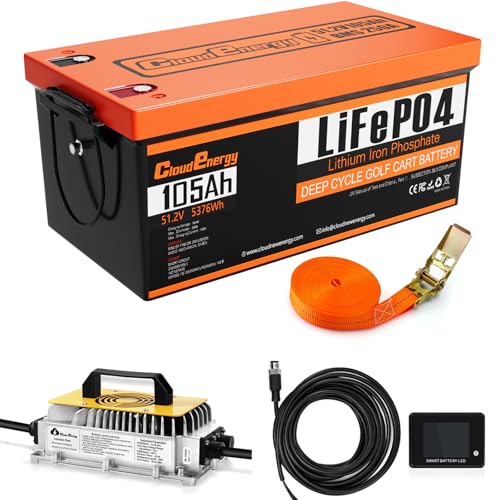
24 Hours Customer Service: Cloudenergy provides technical support and online customer service with fast feedback within 24 hours for any product-related issues or questions

Born for 48V Golf Cart: Special designed for 48v golf cart industry, OGRPHY 48v lithium golf cart battery is compatible with golf cart controllers of all major brands on the market. Built in premium grade A prismatic LiFePO4 cells(UL certified), this 48v battery has better durability & safety. Over 5kWh capacity equals 8pcs 12V 100AH lead acid batteries. Max 10.24kW continuous power & peak 51.2kW power (50% more powerful than standard lithium batteries) to conquer hills/rough terrain effortlessly.
How Seating Capacity Affects Electric Golf Cart Pricing
Seating capacity significantly influences the price of an electric golf cart. Each additional seat typically adds between $1,000 and $3,000 to the total cost. A basic two-seater model starts around $5,000 to $7,000, making it the most affordable choice. Moving up to a four-seater increases the price to approximately $8,000 to $13,000, due to the longer frame and rear-facing seats. Six-seat models generally range from $10,000 to $16,000, while eight-seater versions tend to be even more expensive, often reflecting heavier-duty builds. For example, choosing a high-performance option like EZGO batteries can further affect the overall price based on the required power output. To maximize battery longevity, it is important to avoid habits that shorten battery life, such as deep discharges and overcharging. If the batteries do become completely drained, owners should follow a safe recharging procedure that includes using distilled water and proper connection techniques.
Adding more passengers also impacts the cart’s battery life and charging efficiency. The increased weight from more seats and passengers causes the battery to drain faster, which may necessitate a larger, more costly battery pack to maintain range. Consequently, larger seating capacities not only incur higher initial prices but also lead to higher long-term operating costs tied to battery size and longevity.
36V, 48V, 72V: Which Voltage Pays Off?
A 48V system offers the best overall value for most electric golf cart owners. It strikes a balance between power, range, and cost. With 48V, you get stronger torque for tackling hills compared to 36V, which improves your ability to climb slopes and carry heavier loads. The range also extends to about 25 to 40 miles, making it suitable for longer outings without frequent recharging. Battery configurations are flexible at this voltage level, allowing you to customize your pack for your specific needs. Additionally, operating at 48V encourages smarter charging habits, which helps prevent deep discharges that can shorten your batteries’ lifespan. Frequent deep discharges are a key habit that can significantly reduce the total number of charge cycles your lithium battery can provide. While 72V can offer higher speeds and greater power, the 48V system tends to deliver the best utility-to-cost ratio, making it a smart choice for everyday use. For those who drive in colder climates, pairing your cart with a heated golf cart cover ensures comfort and protects your investment from weather damage. When buying an EZGO, selecting the right battery charger for ezgo is just as important as the voltage choice. Proper charging and maintenance across all voltage levels will help maximize your battery life, but 48V provides the most balanced performance overall.
Used vs. Refurbished Carts: Which Saves You More Money?
Choosing between used and refurbished carts largely depends on your budget and risk tolerance. Used carts usually cost between $1,500 and $7,000, offering a lower sticker price upfront. However, since these are sold as-is, you might face significant costs later—battery replacements alone can run from $800 to $1,500. Refurbished carts, while more expensive initially at $4,500 to $13,000, come with cosmetic restoration and documented battery health, reducing uncertainty about the product’s condition. Essentially, you’re paying more upfront but gaining peace of mind with repairs already addressed. The safe driving practices from mastering golf cart operation can further protect your investment by avoiding costly accidents. Upgrading with a light bar can also improve your nighttime visibility and safety on the course or neighborhood streets.

LED Battery Level Indicator Meter: Special designed for golf cart to clear show left power; 10 segment LED Bar Graph display, 10% per segment(1 red, 2 yellow,7 green), so that you can enjoy the journey and prepare to charge in advance.

Compatibility: Use golf cart battery water pump to ensure your golf cart battery remains in optimal condition. Suitable for golf carts, RVs, boats, and utility vehicles equipped with trojan hydroLink and flow rite pro fill watering systems. This method of adding water extends the lifespan of the battery and improves its performance while reducing maintenance costs

Input Voltage Range:18V-58V DC(18V/20V/24V/36V/48V)
7 Custom Upgrades That Can Double Your Cart’s Price
Upgrading your electric cart with custom features can significantly increase its price, sometimes doubling it. For instance, converting to a lithium battery generally costs between $1,200 and $4,000. This upgrade reduces long-term maintenance costs because lithium batteries last longer and are more efficient.
Adding a lift kit and new tires can add another $400 to $2,000 to the total, enhancing both performance and appearance. Premium interior options such as upgraded seats and added comfort features typically range from $200 to $2,500. Electronics like premium audio systems and advanced lighting can easily exceed $1,500.
When you combine these seven upgrades—including full custom build packages that can reach over $10,000—your modest cart can become a high-end machine. However, be mindful that the total spent on upgrades might match or surpass the original cost of the cart itself. Careful planning helps ensure you get the features you want without overspending.

【Connection & Guidance】Carefully verify that the wiring is correct. Do not reverse connect positive and negative cables. To ensure normal operation, the input voltage must be kept within 20–60V – do not exceed the rated range

Battery Level Meter: The battery indicator is used to measure the remaining charge of the devices, equipments and battery-powered vehicles.

APPLICABLE BATTERY: Compatible with: ①L03-L20 series lithium battery pack, ②L04-L24 series lithium-iron battery pack, ③ lead-acid battery of DC 12V, 24V, 36V, 48V, 60V, 72V, 84V. This battery monitor also supports custom mode in range of DC 7-100V.