Wondering how old you need to be to drive a golf cart in Florida? The rules depend on where you’re driving. You can operate one on public roads starting at 15 with a learner’s permit, at 16 with a driver’s license, or simply with valid ID if you’re 18 or older. Stay tuned—the rules about licensing and where you can legally drive are detailed and important.
Florida Golf Cart Age Requirements for Public Roads (Minors and Adults)
On public roads designated for golf cart use in Florida, minors under 18 must have a valid permit or license to operate a golf cart. Adults age 18 and older can operate without a permit but must carry a valid photo ID. These rules apply only on streets approved for golf carts; private property remains unrestricted. To be legally driven on those approved streets, the golf cart must meet street legal requirements such as having headlights, taillights, turn signals, and a reflector. Always verify local ordinances first, as not every street is legal for golf cart travel. For those working with dead batteries, knowing how to recharge safely can prevent injury and extend battery life. Additionally, even with proper age and licensing, you must never operate a golf cart on roads where the posted speed limit exceeds 35 mph unless the cart is registered as a low-speed vehicle.

Universal Fit - OPP ULITE utv license plate holder can widely fit for UTV, ATV, Trailer, RV, Truck, Boat, Golf Cart, Snowmobile, etc. Such as RZR Ranger General Maverick X3 Commander Defender Outlander Renegade DS SXS, and the list goes on.
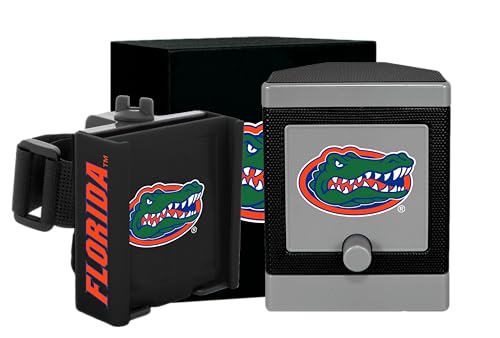
ULTIMATE FLORIDA GOLF GIFT SET: Officially licensed Phone Caddy + DJ-10 speaker combo - the gift that makes alumni smile, students celebrate, and serious golfers actually say "thanks" for once

YOUR PHONE DESERVES BETTER: Patented PhoneFit tech adjusts to any phone (even in that tank case) while showing Gators pride - because fumbling for your phone shouldn't be your biggest challenge on the course
Credentials You Need by Age Group (Learner’s Permit, Driver’s License, or Photo ID)
Your age determines which credential you need to operate a golf cart in Florida. If you are under 18, you must have a valid learner’s permit or driver’s license to drive on public roads. Specifically, a 15-year-old needs a learner’s permit, while 16- and 17-year-olds usually hold a full driver’s license. The typical golf cart width of about 4 feet affects how safely you can navigate standard road lanes. Once you turn 18, a government-issued photo ID suffices, and your driver’s license is optional. Remember, these credentials are separate from registration and insurance requirements; you still need to register your golf cart and carry valid insurance regardless of your age. Understanding used golf cart prices can help you budget for the purchase, and many buyers use personal loans to cover the cost if they lack cash upfront.

Two bits, four bits, six bits a dollar! All for the Gators, stand up and holler! Proclaim your Gator pride out on the course with University of Florida Headcovers.

For emergencies and travel, Christmas, birthdays, and as complementary gifts for children receiving ride-on electric cars or wallets; available as a novelty driver license or identification card

What Happens If You Drive Without the Right Credentials?
Driving a golf cart in Florida without the proper credentials results in a noncriminal traffic infraction, not a criminal arrest. Law enforcement will issue a traffic citation, but you will not be arrested just for lacking the correct license or ID. Despite this, the ticket can still be costly. Fines and court costs vary depending on your location; some cities impose a $75 fine for the first offense, rising to $175 for subsequent violations. Other areas may fine you up to $133 or even impound your golf cart. Ignoring licensing and safety requirements doesn’t just lead to a fine, but it can turn a routine stop into a more serious, expensive documentation issue. Repeated violations typically result in higher fines according to local schedules, so always carry your valid ID or license to avoid unnecessary expenses. Additionally, a golf cart with bad batteries may leave you stranded, compounding your legal troubles with a breakdown. To avoid this, regularly check for warning signs like reduced range or slow acceleration that indicate the battery pack is nearing the end of its lifespan. Ensuring your cart’s electrical system is reliable, including a heavy duty solenoid that handles consistent voltage demands, is just as critical as carrying your paperwork to keep your ride lawful and operational.

【18 Amp Rapid Charger/Lead-Acid】EPOWREY 18 Amp 36 Volt golf carts battery charger for EZGO TXT - D style plug.Our chargers are designed for fast, convenient and safe charging in a variety of situations.

Extend Battery Life Before Replacing: Battery Renew Solution breaks down harmful lead sulfate buildup on battery plates and restores charging capacity in flooded lead acid batteries. Stop buying new batteries and bring your existing ones back to life. Can take up to 10 days of regular charging for full effect
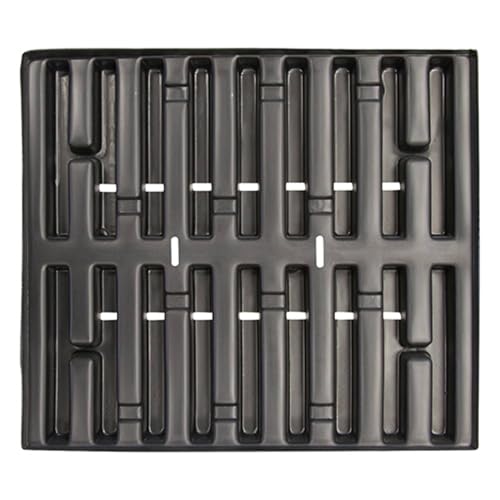
30-DAY RETURN POLICY/1-YEAR WARRANTY: If your order arrives and it’s not exactly what you want, you may return it within 30 days for a refund. We know that people sometimes order a part and then discover it’s not exactly the one they need for the repair. We understand and want to work with you. Just make sure the item is in its original packaging and in good condition free of damage. Outside of 30-days, we will replace it anytime within one year of your order.
Why the Golf Cart Age Changed in 2023
The requirement for proper credentials now replaces a simple age threshold for golf cart operation. Instead of just being old enough to drive, you need to have proof of driving knowledge. You must hold a learner’s permit at age 15, a driver’s license at 16, or a government ID at 18. This change ensures that anyone operating a golf cart on public roads has demonstrated some level of training and understanding of driving rules, which helps improve safety for all road users. However, these age rules apply only to public road use, as private communities may have separate registration and community rules that govern golf cart access. Before driving, always perform a safety inspection of the cart’s brakes and battery connections. When choosing a Bluetooth speaker for golf carts, it’s also important to consider audio quality and durability for outdoor use.

❤【Instant Install, More Convenient and Easy to Use】: Dprofy wireless magnetic Bluetooth golf speaker with built-in super strong magnets which is more convenient than other golf Bluetooth speakers with mount, it can stick to the golf cart instantly in one second. Enough magnetic and never worry about the Bluetooth golf cart speaker falling down even in steep hills.

Magnetic Bluetooth Speaker, Easy to Use: The magnetic speaker for golf cart has a strong magnet and detachable lanyard, making it portable and attachable to various surfaces; Suitable for golf carts and outdoor use as a golf accessory

【Magnetic Golf Cart Speakers】Designed specifically for golf carts, this magnetic golf cart speaker features a powerful magnet with an anti-slip surface that securely attaches to metal frames. Even while driving across the course, it stays securely in place so you can enjoy your music without interruption. Magnetic works on steel/iron surfaces only, not compatible with aluminum. Please ensure compatibility before use.
Public Roads vs. Private Property: Where the Rule Applies
Private property rules override state regulations, so the rules for riding a golf cart can differ significantly from public roads. On private land such as gated communities or resorts, the property owner, homeowners association, or property manager set the rules. They can require a higher minimum age or impose stricter safety and licensing standards than the state mandates for public roads. For example, many property owners also require owners to choose the perfect golf cart enclosure to ensure safety and comfort for all riders. When selecting an enclosure, it helps to review top windshield picks for durability and weather protection. Owners should consider Yamaha golf cart windshields for their superior fit and durability on these specific models.
However, legal considerations still apply—your insurance policy might require you to hold a valid license regardless of whether you’re on private land. Some communities also mandate vehicle registration to help with liability and safety tracking. Unlike public roads, where a valid learner’s permit or a photo ID is mandatory for drivers under or over 18, private property rules vary and are entirely at the discretion of the property owner.
Always check with the property management before riding—rules can be stricter than the law. Ignoring these requirements could impact your insurance coverage or liability in case of an accident, even on private land.

Fits most Yamaha, Club Car, E-Z-Go two-person golf carts, roof measuring 68"L
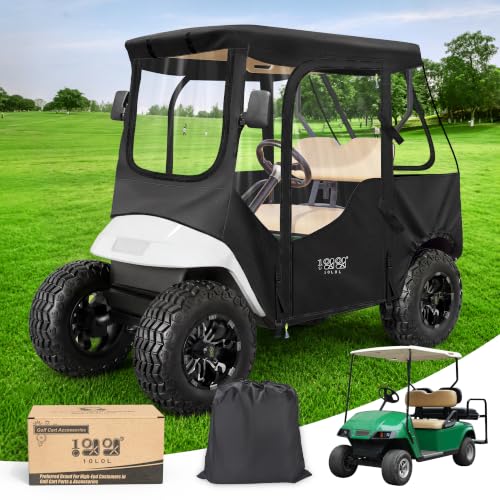
WINTER READY GOLF CART ENCLOSURE — Built for cold season riding, heavy duty 600D Oxford material pairs with zipper flap covers, blocks wind, rain and snow to retain warmth inside the golf cart, adjustable hooks and a hook-and-loop fastener bottom ensure a snug fit for your golf cart and reduce fluttering in windy conditions.

360° Panoramic View: Our golf cart enclosure is crafted with ultra-clear PVC material, providing a full 360-degree view with no blind spots. Whether you're navigating crowded roads, reversing safely, or enjoying scenic views, this golf cart cover ensures both safety and comfort. The specially designed anti-glare coating enhances visibility under bright sunlight or challenging lighting conditions
Do Local Ordinances Add Extra Restrictions?
Local ordinances can add restrictions beyond state law, but they cannot change the minimum age requirement for operating a golf cart. Cities and counties may enforce safety-related limits, such as specific Speed limits on certain streets or designated routes. They might also implement Parking regulations, controlling where you can leave your cart. These local rules can restrict which roads you are permitted to use, require route permits, or mandate registration compliance. However, they cannot legally raise the minimum age or require a full driver’s license if a learner’s permit meets the state’s criteria. Choosing a cart with a high-quality subwoofer can enhance your ride experience, but it does not affect these legal requirements. When comparing models, consider long-term value like lifespan and running costs before purchase. For added comfort during cooler weather, you might also look into a golf cart cover with heater to protect against the elements. Always review your local regulations to ensure compliance and avoid violating traffic laws while operating your golf cart.