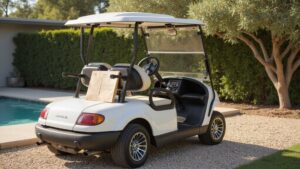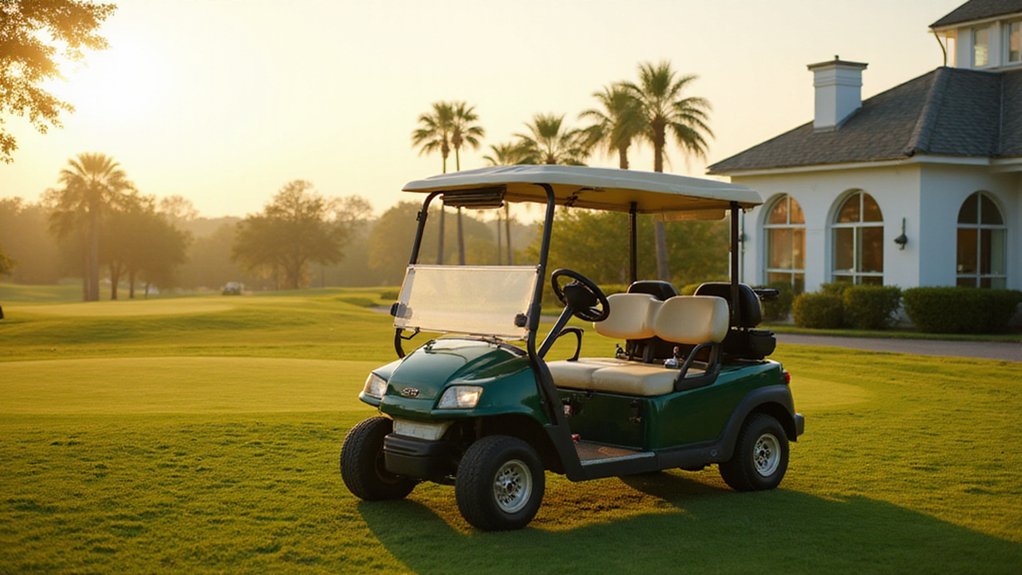
Wondering how much a used golf cart costs? Prices can vary from around $2,000 for older or basic models up to $12,000 or more for street-legal LSVs.
The key factors are battery type, brand, and condition.
Keep reading to learn how to find the right cart for your budget and needs.
What Six Factors Really Determine a Used Golf Cart’s Price?
The condition of the batteries is the most significant factor influencing a used electric golf cart’s price. Strong, well-maintained batteries that can hold a full charge can increase the cart’s value by $800 to $1,500 compared to ones with weak or dead packs. Lithium batteries are more expensive than lead-acid ones but offer longer life and lower maintenance, which can be a good investment if you plan to keep the cart for years. Conversely, replacing batteries is costly, so a cart with healthy batteries is not only priced higher but also offers better long-term savings. If you suspect battery issues, you can perform a safe DIY charger test to verify the charger’s output and the battery pack’s health before negotiating the price. Additionally, similar DIY upgrades like a speed enhancement guide can increase a cart’s appeal if done properly. To ensure safe road use, many buyers also look for a turn signal kit as a practical upgrade. Other factors also impact resale value. The brand plays a role—Club Car, E-Z-GO, and Yamaha tend to retain their value better. Overall condition is critical; a clean body, intact interior, and comprehensive service records inspire buyer confidence. Upgrades like suspension improvements and cosmetic enhancements can boost resale value if they’re reasonable. However, heavily personalized modifications might limit your pool of potential buyers.
What’s the Typical Price Range for a Used Golf Cart?
Used golf carts generally range from about $2,000 to $9,000, depending on the model, age, condition, and features. Entry-level carts, typically older and with higher mileage or worn batteries, are usually priced between $2,000 and $3,500. Carts that are three to seven years old and in good condition often fall within the $4,000 to $7,000 range. Newer or upgraded used models tend to cost between $6,500 and $9,000. Premium options, such as lithium-powered street-legal golf carts, can exceed $17,000. On average, market trends indicate a median price of around $7,600 for used golf carts. Variations in pricing depend heavily on factors like age, battery type, and additional accessories, with older lead-acid batteries usually leading to lower prices and lithium or street-legal builds demanding higher investments. Buyers should also consider the cost of adding a top windshield pick to protect against weather and debris. Upgrading the tires can also impact resale value, as high-performance golf cart tires are often a key factor for quality and performance. Understanding the drivers of cost helps buyers identify the best value based on their specific needs.
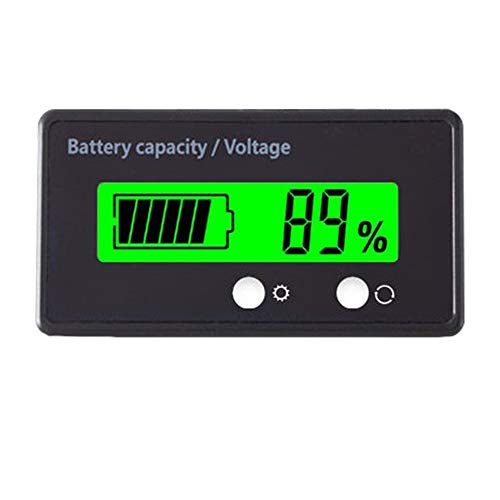
Universal battery capacity indicator voltage meter - wide voltage input range DC 12V-84V Lead-acid Batteries and 3S-26S Lithium Batteries: Ternary lithium batteries, polymer batteries, lithium-ion batteries, storage batteries.

Input Voltage Range:18V-58V DC(18V/20V/24V/36V/48V)

Applicable Battery Type --- DROK digital battery monitor is suitable for 10-100V (12v 24v 36v 48v 60v ) lithium battery, lead-acid battery, lithium iron phosphate battery, Ni MH battery.
Why Is $4,000–$6,000 Considered the Sweet Spot?
The $4,000–$6,000 range is often considered the sweet spot for golf carts because it generally secures a 5–8 year old model in good condition with reasonable batteries. In this price range, you’re getting a well-maintained cart from reputable brands like Club Car or Yamaha, which support strong resale value thanks to their brand reputation. The condition typically includes minor cosmetic wear instead of obvious damage caused by neglect. Battery health is crucial here; you won’t be facing an immediate replacement cost of over $1,000. For those prioritizing modern efficiency, lithium golf carts offer superior battery longevity and lighter weight compared to traditional lead-acid models. Adding a well-reviewed golf cart enclosure can protect your investment from weather and debris, extending the cart’s longevity. This price point strikes a balance between purchase cost and remaining useful life, offering you a reliable, good-running cart without the higher risks or premium features associated with more expensive models. When considering upgrades, remember that adding a light bar for your golf cart can enhance visibility and safety without breaking the bank. It’s a practical middle ground that provides value without overextending your budget.

Fitment: The KEMIMOTO 2 seat golf cart enclosure measures 59.4"L × 44.9"W × 58.1"H and is designed to fit most standard 2-passenger golf carts with a wheelbase between 63" and 67". It accommodates roof lengths from 58" to 60". The roof measurements are taken including the roof bubble. Compatible with EZGO, Club Car. Not designed for carts with extra length in the rear, such as those with an extended cargo box. For proper fitment, Please verify your golf cart dimensions, wheelbase and roof length before purchase, especially for vehicle specific models

360° Panoramic View: Our golf cart enclosure is crafted with ultra-clear PVC material, providing a full 360-degree view with no blind spots. Whether you're navigating crowded roads, reversing safely, or enjoying scenic views, this golf cart cover ensures both safety and comfort. The specially designed anti-glare coating enhances visibility under bright sunlight or challenging lighting conditions

360° Panoramic View: Our golf cart enclosure is crafted with ultra-clear PVC material, providing a full 360-degree view with no blind spots. Whether you're navigating crowded roads, reversing safely, or enjoying scenic views, this golf cart cover ensures both safety and comfort. The specially designed anti-glare coating enhances visibility under bright sunlight or challenging lighting conditions
Are Older Gas Carts Actually Cheaper Than Newer Electric Models?
Older gas carts are not necessarily cheaper than newer electric models in the long run. While used gas and electric carts can fall into similar price ranges—entry-level electric models usually cost around $2,000 to $4,000, and older two-passenger gas carts often start at $2,500 to $3,500—the real savings are often in operating costs. Fuel, oil changes, belt replacements, and general maintenance for gas carts can total approximately $420 annually. In contrast, electric carts typically cost about $130 a year to maintain. Selecting a model with a top battery charger can further reduce long-term costs by ensuring efficient charging and prolonging battery life. For example, many of the top picks reviewed in this guide prioritize battery efficiency and reliability to maximize long-term value.
Battery life is a key factor influencing the resale value of electric carts. Newer electric models tend to hold their value better and may cost more upfront but can be more economical over time. On the other hand, a cheap gas cart might seem appealing initially but can lead to higher expenses due to repairs and fuel costs later on. Over time, electric carts generally become more cost-effective because of lower ongoing operating expenses, despite their higher initial purchase price. For buyers seeking extra utility, many newer electric models can be found equipped with cargo boxes that enhance their practicality for hauling gear.

【18 Amp Rapid Charger/Lead-Acid】EPOWREY 18 Amp 36 Volt golf carts battery charger for EZGO TXT - D style plug.Our chargers are designed for fast, convenient and safe charging in a variety of situations.

【15 Amp Rapid Charger/Lead-Acid】 EPOWREY 48 volt battery charger for Club Car golf carts with 3-pin round plug.This charger is designed as a one-piece plug, using a rubber cord that is more abrasion-resistant and heat-resistant than PVC cords, and have effective waterproofing advantage.

【48 Volt 15 Amp Golf Cart Charger】EPOWREY golf cart battery charger is designed to quickly and safely charge EZGO RXV and TXT golf cart batteries with 3-pin Triangular plug. Our golf cart battery charger utilize advanced smart charging technology with high output voltage and current accuracy, good stability and up to 90% efficiency to ensure efficient and reliable power for your golf cart
Lithium vs. Lead-Acid: How Battery Type Affects Used Golf Cart Pricing
Used golf carts with lithium batteries typically sell for between $8,000 and $12,000, especially for street-legal models. This higher price reflects their superior battery lifespan, which is around 8 to 12 years, compared to lead-acid batteries that last roughly 4 to 6 years. Buyers see lithium as a valuable upgrade, not just a consumable that will need replacing soon. As a result, lithium-powered carts often command a premium on the resale market. Additionally, the motor and drivetrain can limit the top speed, even with a powerful 48-volt lithium system. High-quality carts with roofs often feature better build quality and durability, justifying the higher investment. When considering a used cart, a 24 volt battery charger may be required for older models, but newer lithium systems often need a compatible smart charger.
In contrast, lead-acid batteries usually bring down the initial asking price, with used carts sometimes listed for around $4,500. However, these lower prices can be misleading, as weak or aging lead-acid batteries near the end of their lifespan may need replacement within a year or two, costing between $600 and $1,500. This potential expense can offset the initial savings.
Choosing a lithium-equipped cart may involve paying a slightly higher upfront price, but it can save you money and hassle in the long run. The longevity of lithium batteries means fewer replacements, less maintenance, and a higher resale value, making it a smarter, more economical choice over time.

Born for 48V Golf Cart: Special designed for 48v golf cart industry, OGRPHY 48v lithium golf cart battery is compatible with golf cart controllers of all major brands on the market. Built in premium grade A prismatic LiFePO4 cells(UL certified), this 48v battery has better durability & safety. Over 5kWh capacity equals 8pcs 12V 100AH lead acid batteries. Max 10.24kW continuous power & peak 51.2kW power (50% more powerful than standard lithium batteries) to conquer hills/rough terrain effortlessly.

Get Rid of Lead Acid Batteries Now: Revolutionize your golf cart with Lithova 48V golf cart lithium conversion kit! This 48V lithium battery directly replaces 6-8V 50Ah heavy lead-acid batteries in one simple installation. Enjoy 74% weight reduction, 60% smaller size, and extended 25-mile range (effortless 3-5 Rounds of 18-hole courses). Lasts 8x longer than lead-acid batteries, Up to 15000 deep cycles ensure maintenance-free performance and long-term reliability.

[10 Years Lifetime and 5000+ Deep Cycles] OGRPHY 48 volt lithium battery is made of new grade A cells with UL certification. 10 years lifetime and 5000+ deep cycles is not just a slogan under instructions on the product manual.
Should You Buy a Street-Legal LSV or a Standard Golf Cart?
Choosing between a street-legal LSV and a standard golf cart depends on how you plan to use it. If your goal is to drive on public roads where speeds are up to 35 mph, an LSV (Low-Speed Vehicle) is the right choice. These vehicles meet specific safety requirements such as headlights, turn signals, seat belts, a Vehicle Identification Number (VIN), and often insurance and registration. This means you can legally operate them on public streets, but it also adds to the initial cost and ongoing expenses like insurance. Additionally, the electrical system in any LSV relies on a properly functioning high-quality solenoid to control power delivery and ensure reliable operation on the road. Before buying a used LSV, it is critical to verify that the title and ownership paperwork match the seller’s claims, as state requirements for this documentation vary widely. For those who primarily drive within a private community, the upfront expense and legal hassles of an LSV may not be necessary.
On the other hand, if you’re only using your cart within your private community or at the golf course, a standard golf cart usually suffices. These typically lack the safety features necessary for street legality but are cheaper upfront. You can modify many standard carts to add safety features that mimic street-ready vehicles, but true legal compliance for regular road use requires an LSV. Remember, even vintage models can sometimes be upgraded for road legality, but without the official certification, they won’t receive a license plate. Always verify your state’s specific requirements before assuming any cart is street legal.
6 Tips to Avoid Overpaying for a Used Golf Cart
Start by thoroughly inspecting the battery system. Request a load test to determine if the batteries are weak; since replacing batteries can be costly, prices should reflect their condition. Always take the golf cart for a test drive before finalizing the purchase. Listen carefully for any grinding noises or signs of difficulty pulling, which could indicate mechanical issues. Test the parking brake on a slope to ensure it holds securely. Examine the frame closely for rust or cracks, as these are serious damage signs that usually warrant walking away rather than negotiating. Confirm that the charger is included in the sale and check if any warranty remains, which can add value. If you enjoy music while driving, consider checking reviews of top Bluetooth speakers to ensure compatibility with your cart’s battery setup. Use reviews of top golf cart battery chargers to plan ahead, as a high-quality charger can extend battery life. Lastly, research the reputation of the dealer if buying from a shop and compare multiple listings. Use local data to strengthen your negotiating position, ensuring you’re not overpaying based on the seller’s initial asking price.