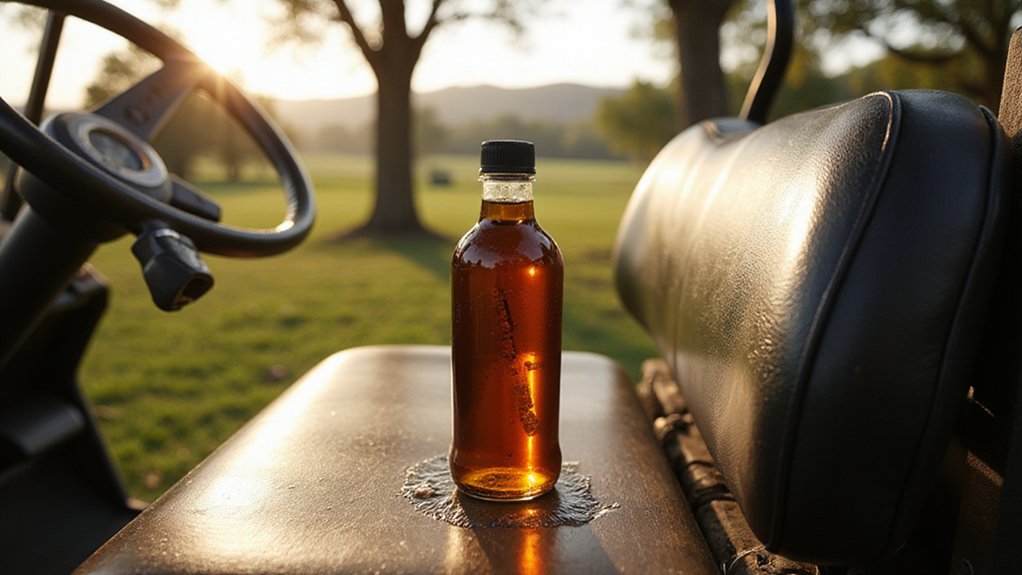
Wondering if golf cart battery repair liquid actually works? It can help with minor sulfation on flooded lead-acid batteries, but it won’t fix cracks, warped plates, or dead cells.
It may give a temporary boost by dissolving light sulfate buildup, leading to quicker charging and slightly longer runtimes.
Keep reading to find out when this liquid can help and when it’s better to replace your battery.
What Exactly Is Golf Cart Battery Repair Liquid?
Golf cart battery repair liquid is a chemical treatment designed to maintain or partially restore the health of lead-acid batteries. It works by adding a specialized solution directly into the battery cells to reduce sulfation buildup, which can hinder performance. However, it’s important to understand that this product is not a mechanical fix and will not repair broken or severely damaged batteries. It’s most effective for batteries that are experiencing minor issues, such as reduced capacity or sluggish charging, but it won’t revive batteries that have been frozen or have run completely dry. Results can vary based on the condition of the battery, so consider this treatment a last-resort option before deciding on replacement. This treatment extends battery lifespan by preventing sulfation deposits that reduce performance, as it is recommended for use up to three times per battery to maintain cleanliness and function. For the best results, ensure you are using the liquid only on lead-acid batteries that meet local safety requirements for road use. Before applying any repair liquid, always follow a safe, step-by-step walkthrough for disconnecting and handling golf cart batteries to avoid electrical hazards. Always wear protective gloves and eyewear when handling the liquid to prevent chemical burns or irritation.

Extend Battery Life Before Replacing: Battery Renew Solution breaks down harmful lead sulfate buildup on battery plates and restores charging capacity in flooded lead acid batteries. Stop buying new batteries and bring your existing ones back to life. Can take up to 10 days of regular charging for full effect

Battery Renew: Golf cart batteries are often dead, can not be fully charged, etc., the use of battery restoration fluid, enhance the battery energy, maintain stable performance, extend the life of golf cart batteries

Proven Solution for Battery Revival: With the highest success rate, our battery restore is a proven choice for bringing old and weak lead acid battery back to life. It restores battery better than battery desulfator and rejuvenator for extended performance and lifespan.
How Sulfation Slowly Kills Your Golf Cart Batteries
Sulfation slowly kills your golf cart batteries by causing permanent damage over time. When your batteries are repeatedly undercharged or left in a discharged state, soft lead sulfate crystals build up on the plates. Normally, during proper charging, your charger’s chemical reactions convert this sulfate back into active material that the battery can use. But when you don’t fully charge your batteries, excess sulfate remains on the plates, which eventually hardens into stubborn crystals. Heat speeds this process, making sulfation worse during hot weather or extended periods of storage. Over time, these crystals damage the battery chemistry by reducing the amount of active material available for chemical reactions. Signs of sulfation include voltage sag under load, decreased runtime, and a reduced driving range. To avoid premature battery failure, choosing budget golf carts with high-quality components can help minimize charging issues that lead to sulfation. Choosing an effective enclosure can also protect your batteries from temperature extremes that accelerate sulfation. Mild sulfation might be reversible with proper maintenance, but severe crystallization is permanent and can drastically shorten your battery’s lifespan. Addressing sulfation early can save you from costly replacements and keep your golf cart running smoothly longer. Upgrading to top LED light kits can help you monitor battery voltage more easily, aiding in early detection of sulfation issues.
Where Golf Cart Battery Repair Liquid Actually Shows Results
Golf cart battery repair liquid can produce noticeable results, but only in flooded lead-acid batteries that still have some usable plate structure. If the battery has mild sulfate buildup and isn’t heavily degraded or sealed, the additive can dissolve light sulfate crystals. This improves charge acceptance and offers a temporary boost in runtime or power. This product was tested and ranked as the top product by Golf Cart magazine in 2020 for revitalizing older batteries. Always follow a clear step-by-step walkthrough for safe testing before adding any repair liquid. Understanding the typical number of batteries in a golf cart helps ensure you add the correct dosage to each unit. For carts that also require electrical component upgrades, pairing the liquid treatment with a heavy duty solenoid can further improve overall system reliability.
The main benefit is extending battery lifespan when your batteries are weak but not completely dead. It can slow down the loss of range and help maintain charging efficiency. Battery performance becomes more consistent too, as internal resistance drops, making hill climbing and normal operation easier. However, these benefits are short-term unless you also use smart charging, proper watering, and maintain clean connections. Ultimately, the liquid provides a modest extension of the battery’s useful life, not a complete restoration.

Extend Battery Life Before Replacing: Battery Renew Solution breaks down harmful lead sulfate buildup on battery plates and restores charging capacity in flooded lead acid batteries. Stop buying new batteries and bring your existing ones back to life. Can take up to 10 days of regular charging for full effect

BATTERY RESTORER FOR WEAK LEAD-ACID BATTERIES - Designed to help recondition aging, serviceable lead-acid batteries that are not holding charge or runtime like they used to. A practical option before replacing a battery that may still have usable life. It can take up to 10 days of regular charging for the full effect.

Reliable battery care, guaranteed: Thermoil De-Sulfater contains zero Epsom salts, unlike some other cheap liquid desulfators. There is a reason why Thermoil has been treating batteries since 1992 because our product works every time in any mechanically sound sulfated lead acid battery period. That's why we guarantee it 100%.
Three Problems Battery Repair Liquid Cannot Fix
Battery repair liquid cannot fix three fundamental issues: shorted cells, worn-out plate material, or physical damage. If you have a shorted cell, no additive can repair that internal electrical fault because the chemical composition of the liquid isn’t designed for that. Similarly, it can’t mend warped plates or cracked separators. Once the lead paste on plates wears out or sheds, it’s a permanent loss—no liquid can restore it. Although you might see a temporary increase in performance, it only delays the inevitable failure. Physical damage like a cracked case or leaking housing presents real safety hazards; using repair liquid in these situations can worsen environmental impact by contaminating the electrolyte or causing leaks. Following proper charging practices prevents the accelerated plate wear that repair liquid falsely claims to fix. Replacing the battery is the safest and most effective choice rather than risking further damage or potential fire hazards. Just as premature tire wear often stems from improper tire pressure rather than a defective product, battery deterioration is frequently caused by avoidable habits that no liquid can reverse. Selecting the right tires for an electric vehicle is similar, as poor traction choices can reduce performance regardless of battery health.
Which Battery Conditions Respond Best to Repair Liquid?
Battery conditions that respond best to repair liquid are those that are mildly sulfated, flooded lead-acid batteries with removable caps. These batteries still accept a charge and show gradual capacity loss rather than complete failure. The repair liquid works by chemically reacting with soft sulfate buildup, dissolving it to restore some capacity. Batteries suffering from undercharging or those that have been maintained regularly tend to respond better. In contrast, batteries with physical damage, dead cells, or sealed AGM and gel batteries won’t benefit because the liquid cannot circulate effectively inside them. Wet-cell constructions allow the additive to mix with the electrolyte freely, making the treatment more effective. As explained in the electric golf cart operation overview, a healthy battery requires consistent electrolyte levels and proper charging cycles to maintain performance. Given that golf cart prices are driven largely by battery costs, attempting a repair on a failing battery may delay the expense of a full replacement. For best results, focus on batteries that have uniform cells, no leaks, and are in moderate condition, as the repair provides only a partial, temporary recovery. Choosing the right golf cart accessories, such as a weatherproof Ezgo golf cart cover, can protect your battery terminals from moisture and debris that accelerate sulfate formation.
What Real Users Report About Performance Gains
Real user reports on golf cart battery repair liquids are mixed, and results largely depend on your battery’s condition before treatment. Some users notice longer run times, quicker recharge cycles, and improved hill-climbing ability. For best results, batteries should not be completely frozen or dried out, and the solution is designed to clear sulfates on battery plates. Others report that their old batteries seem to regain some life, with increased speed on flat surfaces. One reviewer even claimed that treating a healthy battery extended its life by an additional 1–2 years. Experts recommend following a step-by-step process with distilled water and a smart charger for the best outcome. Notably, local regulations regarding golf cart registration can affect how often you need to maintain battery performance for legal road use. For those tackling steep terrain, products reviewed as best golf carts for hills often emphasize the importance of healthy battery output.
However, many users consider these products a waste of money or a scam. They often see no noticeable improvement, especially if the batteries are heavily sulfated or dried out. The benefits tend to be modest and inconsistent, with the best results occurring when the batteries still have some usable capacity before treatment.
Why Battery Repair Liquid’s Gains Are Usually Temporary
Even if a battery repair liquid temporarily improves your golf cart’s performance, those gains typically do not last. The core problems—such as sulfation buildup, internal plate damage, and separator wear—continue to worsen with normal use and heat stress. When you notice a slight increase in voltage stability, it’s only a temporary effect; the actual amp-hour capacity remains unrepaired. Instead, the liquid mainly reduces internal resistance, giving a false sense of improvement. Without proper electrolyte maintenance, sulfation quickly returns if you keep leaving the battery partially charged. The liquid cannot rebuild damaged plates, fix internal shorts, or address worn separators. As charge cycles repeat, the short-term boost disappears, often within a few charges under normal load. Physical damage and internal deterioration continue to develop, reducing charge acceptance over time. Ultimately, using repair liquids only delays the need for replacement, without reversing the battery’s overall lifespan. For a truly reliable solution, buyers should focus on selecting a top golf cart that prioritizes quality and performance from the start, such as investing in a high-quality battery charger that supports consistent charging and battery health.
How to Apply Golf Cart Battery Repair Liquid Correctly
Start by fully charging the golf cart’s battery pack and turning off all power before handling the batteries. If you need to remove the batteries, disconnect the terminals starting with the negative terminal to reduce the risk of sparks. Clean the top of each battery to prevent dirt and debris from entering the cells during the repair process. Always wear gloves and eye protection to safeguard against chemical exposure.
Remove the caps from each cell and check the electrolyte levels. Ensure the plates are fully covered but avoid overfilling. Measure the correct amount of repair liquid carefully: 2 ounces for each 6-volt cell, or 3 ounces per cell for 8 or 12-volt batteries. Use a clean funnel to add the liquid directly into each cell. Once filled, securely replace all caps.
If you removed the batteries, gently shake each one for 1 to 2 minutes to distribute the electrolyte evenly. If left in place, simply drive the cart over rough terrain for a brief period to achieve similar mixing. Proper application of the liquid depends on precise dosing; avoid under- or over-filling, as inconsistent levels can harm the battery.
Finally, charge the entire battery pack for 24 hours. During the first cycle, monitor for leaks or abnormal heating, which might indicate improper filling or other issues. Proper attention during this process helps ensure your golf cart’s batteries stay healthy and perform reliably.

BREAKS DOWN SULFATION & RESTORES PERFORMANCE – Sulfation is the leading cause of reduced performance in flooded lead-acid batteries. Our advanced formula penetrates battery cells to help dissolve sulfate deposits that limit charging efficiency, helping batteries accept and hold a stronger charge. For preventative maintenance, use once per year and up to three treatments over the life of the battery.

Golf Cart Battery Restore Repair Renew Solution

Angled Spout: These fillers help prevent spills and overfilling when adding water to batteries in cars, golf carts, or other vehicles.
When to Skip the Repair Liquid and Replace the Battery
If your battery has a cracked case, leaks acid, or has a swollen housing, replace it immediately instead of attempting a repair liquid. These signs of severe physical damage make restoration unsafe and impossible. Internal damage such as broken plates or shorted cells cannot be fixed with additives, as no chemical solution can rebuild this kind of structural failure. Attempting to repair deep sulfation or other internal issues is also futile, since these conditions are permanent and beyond the reach of repair liquids. Additionally, if your battery’s chemistry does not match what the repair liquid targets or if manufacturing defects have caused accelerated internal wear, recovery efforts are unlikely to succeed. When a battery shows clear signs of age-related capacity loss or consistently fails to hold a charge, replacing it is the safest, most cost-effective choice. Prioritize safety by avoiding risky fixes on physically damaged or worn batteries, and opt for replacement instead.

Born for 48V Golf Cart: Special designed for 48v golf cart industry, OGRPHY 48v lithium golf cart battery is compatible with golf cart controllers of all major brands on the market. Built in premium grade A prismatic LiFePO4 cells(UL certified), this 48v battery has better durability & safety. Over 5kWh capacity equals 8pcs 12V 100AH lead acid batteries. Max 10.24kW continuous power & peak 51.2kW power (50% more powerful than standard lithium batteries) to conquer hills/rough terrain effortlessly.

【ULTRA HIGH PERFORMANCE - CLASS A BATTERY】: LOSSIGY 36V100AH Lithium Battery Golf Cart is made of class A chip, equipped with 43.8V25A smart charger, 9 in1 battery monitor, built-in 200A BMS, 3840W Powerful, 1000A peak current. IP65 waterproof. Preferred item for golf cars, trolling motors.

Grade A Cells: LOSSIGY 48 Volt lifepo4 lithium golf cart batteries are manufactured of auto grade-A cells with higher energy density, more stable performance&greater power.
Is Golf Cart Battery Repair Liquid Worth Your Money? The Real Verdict
Repair liquid is only somewhat worth your money in narrow situations—primarily for flooded lead-acid batteries with mild sulfation. In these cases, you might see a temporary boost in performance and a slight extension of battery life. However, don’t expect it to be a permanent fix.
It’s best to compare costs: repair liquid is generally cheaper than replacing the entire battery, making it a low-risk option if your pack is still charging but feels sluggish. Still, its value drops sharply if your battery suffers from severe sulfation, cracked cases, or warped plates. These physical damages cannot be fixed with additives. Any improvements are usually short-lived, especially if you don’t improve your charging habits afterward. For heavily worn-out batteries, investing in a new set often makes more sense financially. Overall, this product works best as a maintenance aid rather than a cure-all for serious problems.

6 botles one for each batery just add to batteries and in 10 days you should see longer run time shorter charge time more power up hills and speed on the flat
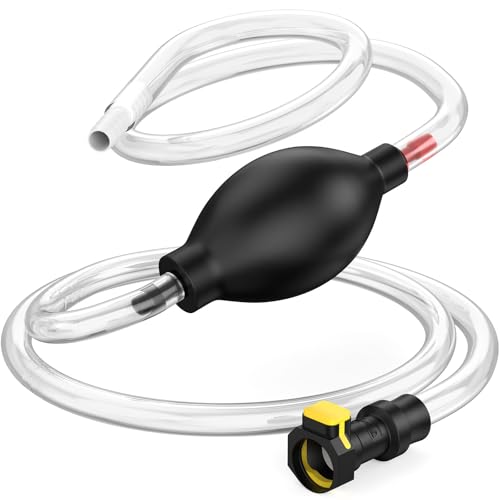
Compatibility: This golf cart battery water filler is compatible with golf carts, RVs, boats and utility vehicles featuring Trojan HydroLink or Flow-Rite Pro Fill systems. It keeps batteries at proper water levels to extend service life, improve efficiency and reduce long-term maintenance costs