Wondering how long Trojan golf cart batteries will last? The answer depends on several factors.
A set of Trojan flooded lead-acid batteries typically lasts between 4 and 6 years with proper care, but light daily use and good maintenance can extend that to 8 years.
Lithium models usually last 8 to 12 years or up to 5,000 cycles.
Keep reading to find out which type best fits your routine.
How Long Do Trojan Golf Cart Batteries Typically Last?
Trojan lead-acid golf cart batteries typically last between 4 to 6 years with proper maintenance. However, your actual battery life can vary significantly based on how you use the cart. For light, occasional use, expect the life to extend to 6 to 8 years. Moderate weekly use generally results in 5 to 7 years of service. Heavy daily use tends to reduce that lifespan to 3 to 5 years. If you are choosing a steering wheel accessory, remember that a steering wheel cover can improve your grip and comfort during operation. When selecting an enclosure for your cart, consider how a durable enclosure can protect your battery from weather extremes, prolonging its life. When comparing options, the best batteries for Yamaha golf carts often include Trojan models for their reliability and performance.
Fleet carts, which experience constant cycling, usually have shorter lifespans on the lower end of this range, while private, infrequently used carts can reach the upper years. When your battery finally reaches the end of its useful life, recycling is essential and straightforward—most shops accept old batteries for proper disposal.
In terms of long-term cost, lithium Trojan models last 8 to 12 years, offering greater longevity but at a higher initial investment. Since lead-acid batteries need more frequent replacements, you should consider the total expense over their lifespan before deciding which type to choose.
What Actually Shortens Trojan Battery Lifespan?
Improper watering is one of the most common issues that shorten your Trojan battery’s lifespan. Using only distilled water is essential because tap water contains minerals that can cause buildup and interfere with electrical performance. Water your batteries after a full charge, and only add water when plates are exposed, covering them before charging if necessary. Overwatering dilutes the electrolyte, reducing the battery’s capacity and accelerating corrosion, while under-watering exposes plates to air, leading to sulfation and permanent damage. Understanding the street legal requirements for your vehicle can help you upgrade accessories without compromising essential battery maintenance. For those upgrading their vehicle’s accessories, adding a top-rated light bar can improve nighttime visibility without affecting battery care routines. Routine cleaning of the battery terminals helps prevent corrosion from increasing resistance.
Consistently undercharging leads to sulfate buildup on the plates, which diminishes capacity over time. Conversely, overcharging results in excessive heat and accelerated plate wear, as well as electrolyte loss through boiling. Regularly checking terminal conditions is equally important. Corrosion at the terminals increases resistance, hampers charging efficiency, and can hide weak cells, making it harder to detect problems early.
Neglecting routine maintenance, such as inspecting water levels, cleaning terminals, and ensuring proper charging practices, invites sulfation and imbalance. Ignoring these issues can cause premature battery failure, so proper care is critical to extending your battery’s life. When your Trojan batteries finally reach the end of their lifespan, responsible disposal via recycling prevents environmental harm.
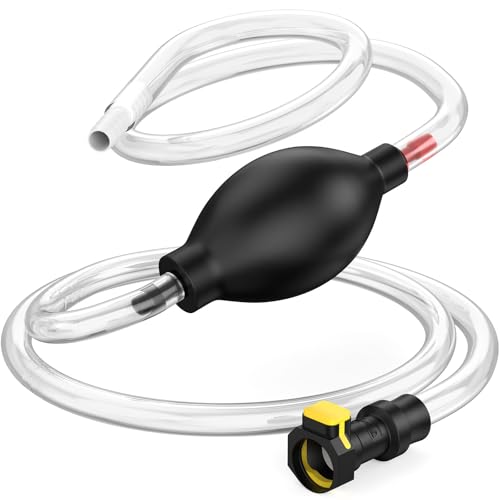
Compatibility: This golf cart battery water filler is compatible with golf carts, RVs, boats and utility vehicles featuring Trojan HydroLink or Flow-Rite Pro Fill systems. It keeps batteries at proper water levels to extend service life, improve efficiency and reduce long-term maintenance costs

Compatibility: Use golf cart battery water pump to ensure your golf cart battery remains in optimal condition. Suitable for golf carts, RVs, boats, and utility vehicles equipped with trojan hydroLink and flow rite pro fill watering systems. This method of adding water extends the lifespan of the battery and improves its performance while reducing maintenance costs

Universal Compatibility and Wide Application:Keep your batteries in peak condition! This hand pump is specifically designed for Trojan HydroLink and Flow Rite Pro Fill (including Qwik Fill, Millennium Plus) watering systems. Perfect for Golf Carts, RVs, Boats, and Utility Vehicles, it ensures precise watering to extend battery life and reduce long-term maintenance costs
How Deep Discharges and Heat Cut Trojan Battery Life
Deep discharges and excessive heat significantly shorten your Trojan battery’s lifespan. Draining your battery below 50% capacity regularly accelerates wear, with discharges reaching 80% or more causing even faster capacity loss. Heat further damages the battery by speeding up internal corrosion and increasing water evaporation. High temperatures intensify these effects, stressing the plates and electrolyte, and reducing the number of cycles your battery can endure. To preserve battery life, avoid deep discharges and keep your batteries cool, especially in hot climates. Maintaining shallow discharges and good ventilation will help maximize your Trojan investment over time. Following proper charging practices, such as using the correct charger type for your battery chemistry, can also prevent overcharging and extend overall life. Additionally, consistently monitoring water levels in each cell prevents permanent damage from exposure. A safe maintenance routine also requires using proper eye protection and insulated tools to avoid acid burns or short circuits.

Battery Classification: BCI Group GC12 standard size for compatibility with various applications

8V Deep-Cycle Flooded Battery – The Trojan T-875 delivers long runtime and consistent discharge performance for golf carts, renewable energy banks, marine systems, and industrial equipment.

Battery Classification: BCI GC8 group size for standardized fitment and compatibility
The Maintenance Habits That Add Years to Your Trojan Batteries
Proper electrolyte maintenance is essential for prolonging the life of your Trojan golf cart batteries. Always water the batteries after a full charge, not before, because the electrolyte level rises during charging. Use only distilled water to prevent mineral buildup that can harm the plates. Fill each cell to about 1/8 inch below the vent well opening, ensuring the plates remain submerged but avoiding overfilling. Never let the plates sit exposed, as this accelerates deterioration and reduces battery performance. Following the correct vent cap procedures by tightening caps securely after watering prevents spills and contamination. Regularly clean the terminals and tops of the batteries to minimize corrosion, and inspect the cables for any signs of damage or wear. Charging promptly after each use and avoiding storing batteries in a partially discharged state helps prevent sulfation, which can severely impair battery capacity over time. For those exploring purchase options, financing a golf cart can make acquiring new batteries or a replacement cart more manageable. These simple but vital steps help reduce resistance and enhance overall battery longevity. Additionally, consistent battery care can significantly improve the overall performance of your electric cart compared to gas models.

Reliable battery holder that fits into limited spaces

Heavy-Duty Construction – Made from rugged, non-corrosive black plastic for long-lasting performance in marine environments.

Reliably and securely holds a 27 Series battery
Which Trojan Battery Type Lasts Longest: Flooded, AGM, or Lithium?
Lithium Trojan batteries last the longest. They typically deliver between 3,500 and 5,000 charge cycles, far exceeding flooded and AGM options. This extensive cycle life translates to years of reliable use, especially if you regularly cycle your batteries deeply. For comparison, even the top dot-approved windshields require careful selection to match your cart, just as choosing the right battery type maximizes performance. Compared to flooded and AGM batteries, lithium models also offer faster charging times, no need for watering or maintenance, and a longer warranty—up to 10 years with registration. When shopping for a replacement, comparing top lithium batteries for golf carts can help you evaluate the best value across different brands. These advantages make lithium Trojan the best choice if long-term durability and minimal upkeep are your priorities. For owners who also drive on public roads, Georgia golf cart laws must be followed to ensure compliance with street-legal equipment requirements.

Born for 48V Golf Cart: Special designed for 48v golf cart industry, OGRPHY 48v lithium golf cart battery is compatible with golf cart controllers of all major brands on the market. Built in premium grade A prismatic LiFePO4 cells(UL certified), this 48v battery has better durability & safety. Over 5kWh capacity equals 8pcs 12V 100AH lead acid batteries. Max 10.24kW continuous power & peak 51.2kW power (50% more powerful than standard lithium batteries) to conquer hills/rough terrain effortlessly.

[10 Years Lifetime and 5000+ Deep Cycles] OGRPHY 48 volt lithium battery is made of new grade A cells with UL certification. 10 years lifetime and 5000+ deep cycles is not just a slogan under instructions on the product manual.

【ULTRA HIGH PERFORMANCE - CLASS A BATTERY】: LOSSIGY 36V100AH Lithium Battery Golf Cart is made of class A chip, equipped with 43.8V25A smart charger, 9 in1 battery monitor, built-in 200A BMS, 3840W Powerful, 1000A peak current. IP65 waterproof. Preferred item for golf cars, trolling motors.
Warning Signs Your Trojan Batteries Are Nearing End of Life
You’ll know your Trojan batteries are near the end of their life if you notice a significant drop in your golf cart’s range—that is, the number of holes or miles you can travel on a single charge decreases by a third or more. This reduction happens because the batteries can’t hold or deliver energy as efficiently as they once did. Additionally, if you observe your batteries losing charge much faster than before, even after an overnight charge, it’s a clear sign they’re deteriorating. Sluggish acceleration and difficulty climbing hills are common indicators of weakening battery power, making your cart feel sluggish from a stop and struggle on inclines. Charging irregularities, such as batteries taking longer to reach full capacity or the charger indicating a full charge while performance remains poor, also point to nearing battery end of life. To enhance your cart experience while monitoring battery health, consider pairing your setup with a premium Bluetooth speaker for reliable audio during rounds.
Physical signs should not be ignored. Persistent corrosion that returns despite cleaning, visible swelling, cracks, or leaking electrolyte inside the batteries all signal internal damage. Excessive heat during operation or a strong sulfur smell are clear warning signs of failing internal components. Sharp voltage drops under load further confirm that the batteries cannot supply consistent power, indicating it’s time for a replacement. High-quality batteries like Trojans often justify their premium price point when compared to cheaper alternatives in the overall cost breakdown of golf carts. Conducting simple diagnostic checks can help confirm whether these symptoms truly warrant replacing your Trojan batteries.
When Should You Plan to Replace Your Trojan Batteries?
You should plan to replace your Trojan batteries around 4 to 6 years for flooded lead-acid models. Heavier daily use or hot climates can shorten that window to as early as 3 to 5 years. Lithium Trojan batteries typically last at least 10 years or about 4,000 charging cycles. Don’t rely solely on the warranty as a lifespan indicator; it’s a helpful guide but not a guarantee. When approaching the expected replacement time, begin arranging for proper battery recycling to dispose of the old units responsibly. Keep a close count of your charging cycles because frequent deep discharges can speed up aging. Starting to save for replacement around year 4 for lead-acid batteries and planning to replace them by year 6 is a good rule of thumb. For lithium batteries, aim to plan a full decade ahead to ensure readiness. Upgrading your controller can also extend overall system efficiency and battery life.

Used to fit the T105 Battery in E-Z-GO Vehicles

8V Deep-Cycle Flooded Battery – The Trojan T-875 delivers long runtime and consistent discharge performance for golf carts, renewable energy banks, marine systems, and industrial equipment.

8V Deep-Cycle Flooded Battery – The Trojan T-875 delivers long runtime and consistent discharge performance for golf carts, renewable energy banks, marine systems, and industrial equipment.
How to Get the Full 6 to 8 Years From Your Batteries
Keeping your batteries clean is essential for extending their lifespan. Regularly tighten all connections and scrub the terminals with a wire brush or terminal cleaner to prevent corrosion buildup. Check electrolyte water levels monthly and add only distilled water after a full charge to maintain proper electrolyte balance. Avoid deep discharges by ensuring the charge level stays above 50%, as letting the battery run too low can cause damage. When storing batteries, keep them in a cool, dry place and perform periodic charges to prevent sulfation. Additionally, conduct equalization charges once a month to balance the cells and prevent stratification. For enhancing your golf cart experience with quality audio, consider pairing your well-maintained batteries with magnetic speakers that offer superior sound. When your batteries reach the end of their service life, prioritize recycling to dispose of them responsibly instead of simply throwing them away.