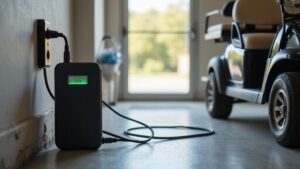
Wondering how many batteries your golf cart needs? The answer depends on your system’s voltage, with common setups being 36V or 48V.
In a 36V system, you’ll usually use six 6V batteries connected in series.
A 48V system might need four 12V, six 8V, or eight 6V batteries.
Your choice impacts performance and range, so here’s how to find the right setup for you.
What Voltage Is Your Golf Cart?
To determine your golf cart’s voltage, start by lifting the seat and inspecting the batteries. Most carts operate on 36V, 48V, or 72V systems. Count the number of batteries and note their voltage ratings. For example, six 6V batteries typically mean a 36V system, while four 12V batteries indicate 48V. You can also check the cap count on lead-acid batteries, with three caps suggesting 6V, four caps for 8V, and six caps for 12V. To confirm, use a multimeter to measure each battery’s voltage; a healthy 6V battery should read about 6.3V to 6.5V. Always follow safety precautions by disconnecting the power before probing. Knowing your system’s voltage is essential for selecting the correct charger and replacement parts. A fully charged 8V battery will read around 8.4V when tested with a multimeter. For cart owners upgrading their look, top hub caps can complement the electrical setup. If you prioritize performance and reliability, consider a gas-powered golf cart for its extended range and ease of refueling.

48V 15A GOLF CART CHARGER: Built for EZGO RXV and TXT golf cart batteries. FirstPower golf cart charger features upgraded 3-pin Triangular plug for instant plug-and-charge simplicity, are perfectly compatible with the golf cart. Optimized for 48V lead-acid systems (excludes lithium), its adaptive charging algorithm prevents sulfation. The ultimate 48V battery charger replacement for fast, reliable power delivery.

48V 15A GOLF CART CHARGER: Built for Club Car cart batteries. FirstPower golf cart charger features upgraded 3-Pin Round plug for instant plug-and-charge simplicity, are perfectly compatible with the golf cart. Optimized for 48V lead-acid systems (excludes lithium), its adaptive charging algorithm prevents sulfation. The ultimate 48V battery charger replacement for fast, reliable power delivery.

【Wide Compatibility】48 volt lithium battery charger is designed for 48V (51.2V) LiFePO4 batteries.Compatible for 48 volt golf carts (Club Car, EZGO, etc), forklifts, floor scrubbers, motorcycles, boats, solar system, RV, Off Grid, wall mount 48v lithium ion battery, outboard, trolling motors, etc. Lifepo4 battery charger 48 volt has an O-shaped M8 terminal,which can be directly connected to the battery on the vehicle for on-board charging.No need to worry about plug adaptation.
How Series Wiring Decides Your Battery Count
Series wiring adds each battery’s voltage to the total, so your battery count depends on your target system voltage. You connect the positive terminal of one battery to the negative terminal of the next, creating a continuous chain. The free negative terminal on the first battery and the free positive terminal on the last battery serve as your pack’s overall outputs. This configuration increases the total voltage while keeping the amp-hour capacity the same. Selecting a top-rated 12 volt charger ensures efficient charging and maintenance for your specific battery pack voltage. For the best overall performance, many users choose models that rank among the best electric golf carts on the market.
Your choice of batteries must match the system voltage you aim for and the chemistry type—whether 6V, 8V, or 12V lead-acid deep-cycle batteries. For example, to reach a 36V system, you need six 6V batteries connected in series. For 48V, options include six 8V batteries, eight 6V batteries, or four 12V batteries, depending on availability and system design. Mismatched voltages or incorrect counts will alter your final voltage and could cause system issues. It’s important to follow the manufacturer’s recommended wiring configuration to ensure safety and prevent damage to your batteries or system. Always prioritize battery quality and performance when selecting cells, as higher-grade deep-cycle batteries deliver more consistent voltage under load and longer service life, directly impacting your pack’s overall reliability.
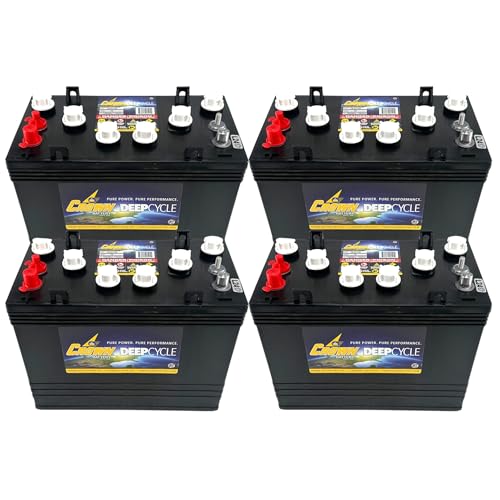
High-Capacity Deep Cycle Performance – Built to deliver consistent power, long run times, and exceptional charge cycles.
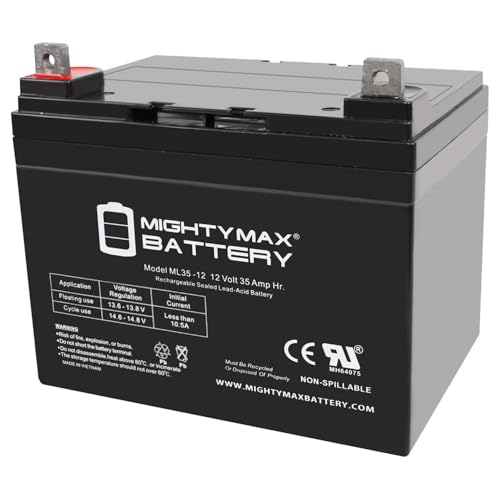
Ml35-12 Sla Is A 12V 35Ah Sealed Lead Acid (Sla) Rechargeable Maintenance Free Battery

MAINTENANCE FREE: 12.99x 6.73x 8.43 inches. Weize 12v 100Ah sealed lead acid battery is manufactured with absorbent glass mat(AGM), which can help to save you from acid leakage and frequent maintenance. Terminal: Left : Positive (+)-Red, Right: Negative (-)-Black. Terminal: Left : Positive (+)-Red, Right: Negative (-)-Black.
How Many Batteries for a 36V Golf Cart?
You need generally six 6V lead-acid batteries to make a 36V system. Alternatively, one 36V lithium battery pack can replace all six, offering benefits like reduced weight and simpler wiring. Always ensure your batteries are connected in series to achieve the correct 36V nominal voltage. For those considering audio upgrades, a top soundbar can enhance your golf cart experience while maintaining battery efficiency. Matching your battery chemistry to your cart’s charger is essential—lead-acid and lithium batteries require different chargers. Using the wrong charger can damage your batteries or reduce their lifespan. Check your manufacturer’s specifications and ensure the charger is compatible with your battery type before making any changes. For top performance and value, consider reading reviews that compare top picks on quality and reliability. You can find detailed comparisons of Trojan batteries specifically designed for these setups.

【18 Amp Rapid Charger/Lead-Acid】EPOWREY 18 Amp 36 Volt golf carts battery charger for EZGO TXT - D style plug.Our chargers are designed for fast, convenient and safe charging in a variety of situations.
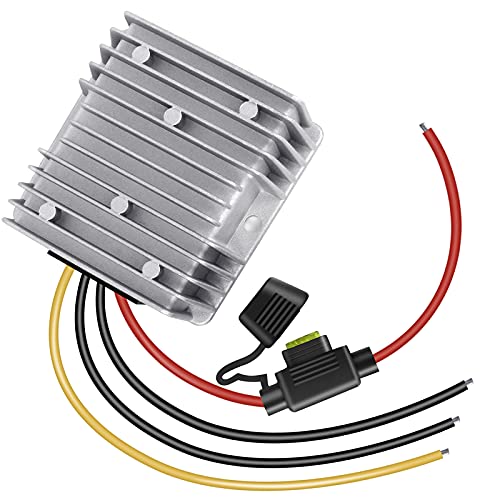
Input Voltage Range: 30-60V DC(36V/48V).

[Compatible Models]: Our golf cart battery cables wiring kit is specially designed for 36 & 48V 1994-up EZGO TXT cart models
How Many Batteries for a 48V Golf Cart?
A 48V golf cart typically requires six 8V batteries wired in series. This setup is the most common because it fits well within standard tray sizes and offers a reliable balance of performance and cost. Other configurations include eight 6V batteries or four 12V batteries wired in series to total 48V. Your choice depends on space constraints, budget, and preferred battery chemistry, but all must be connected in series to reach the 48V requirement. Pairing your chosen configuration with a top battery charger ensures proper charging cycles and prolongs battery life. If you opt for lithium batteries, you might use fewer, such as four 12V lithium cells or a single 48V lithium pack, which can simplify wiring and reduce the overall count. For guidance on the best options, consult a top lithium batteries buyer’s guide to compare features and performance, and review how quality and performance ratings affect long-term reliability. Always verify your golf cart’s tray dimensions and electrical compatibility before selecting your batteries.

【15 Amp Rapid Charger/Lead-Acid】 EPOWREY 48 volt battery charger for Club Car golf carts with 3-pin round plug.This charger is designed as a one-piece plug, using a rubber cord that is more abrasion-resistant and heat-resistant than PVC cords, and have effective waterproofing advantage.

Applicable Battery Type --- DROK digital battery monitor is suitable for 10-100V (12v 24v 36v 48v 60v ) lithium battery, lead-acid battery, lithium iron phosphate battery, Ni MH battery.

Specifically Designed for Golf Carts & RVs with 36V (six 6V battery pack) or 48V (six 8V battery pack).
36V vs. 48V: Which Battery Setup Should You Choose?
Choosing between 36V and 48V depends on your usage needs. A 36V system is sufficient for flat terrain with light loads and comes at a lower initial cost. It delivers adequate power for casual rides but has limited torque and acceleration. Selecting the right golf cart tubes ensures your tires maintain proper pressure and handling for these setups.
A 48V setup provides stronger torque, better efficiency, and higher speeds, making it ideal for hilly terrain, carrying passengers, or hauling cargo. You’ll notice quicker acceleration and less heat in your cables with 48V, which can extend component lifespan over time. For those looking to customize their cart’s appearance and performance, pairing a 48V system with top body kits can provide both durability and style. Additionally, using a golf cart cover with heater can help protect your cart and battery system in colder weather.
However, 48V systems require a matching charger, often costing more upfront, whereas 36V chargers are generally more budget-friendly and widely compatible. The higher voltage also offers more options for future upgrades.
Your best choice depends on whether your priority is a lighter, more affordable setup for occasional use or a more powerful, durable system for regular, demanding rides.

【48 Volt 15 Amp Golf Cart Charger】EPOWREY golf cart battery charger is designed to quickly and safely charge EZGO RXV and TXT golf cart batteries with 3-pin Triangular plug. Our golf cart battery charger utilize advanced smart charging technology with high output voltage and current accuracy, good stability and up to 90% efficiency to ensure efficient and reliable power for your golf cart

【Connection & Guidance】Carefully verify that the wiring is correct. Do not reverse connect positive and negative cables. To ensure normal operation, the input voltage must be kept within 20–60V – do not exceed the rated range

【Applicable Batteries】 Fit for lithium battery packs L03-L20, lithium iron phosphate batteries with 4-24 series, and lead-acid batteries rated 12V, 24V, 36V, 48V, 60V, 72V, and 84V. The voltage measurement range is DC 7-100V, compatible with lithium, LiFePO4, lead-acid, and solar batteries in golf carts, cars, motorcycles, and more