If you’re wondering how much lithium golf cart batteries cost, you’re probably planning a upgrade or replacement.
Typically, expect to spend between $700 and over $3,800 just for the battery itself.
The overall price can reach $2,500 to $4,000 or more when you include installation and additional components.
Keep reading to see how different specs and brands influence the final cost.
What’s the Real Price Range for Lithium Golf Cart Batteries?
Lithium golf cart batteries typically range from about $700 to over $3,800, depending on quality, capacity, and brand. Entry-level options, suitable for light or occasional use, usually start around $700 to $1,200. Standard, reliable packs from reputable brands generally cost between $1,800 and $3,800. Higher-end models with advanced features like built-in management systems or longer lifespans often exceed $3,800.
The price reflects not only the initial purchase but also factors like installation complexity. A basic battery pack without installation can cost less, but converting to lithium from lead-acid or installing a built-in system usually requires additional investment, pushing total costs to $2,500 or more. For buyers seeking the best value, comparing the top lithium batteries for golf carts can help identify which models offer superior performance per dollar. Wholesale prices may be lower, but retail buyers typically spend between $1,800 and $4,000 for a dependable, complete setup. For those prioritizing quality and performance, consulting a detailed golf cart review guide can help identify which models offer the best long-term value. Many buyers find that investing in a setup from top lithium golf carts ensures superior performance and a longer lifespan compared to cheaper alternatives.

Born for 48V Golf Cart: Special designed for 48v golf cart industry, OGRPHY 48v lithium golf cart battery is compatible with golf cart controllers of all major brands on the market. Built in premium grade A prismatic LiFePO4 cells(UL certified), this 48v battery has better durability & safety. Over 5kWh capacity equals 8pcs 12V 100AH lead acid batteries. Max 10.24kW continuous power & peak 51.2kW power (50% more powerful than standard lithium batteries) to conquer hills/rough terrain effortlessly.

[10 Years Lifetime and 5000+ Deep Cycles] OGRPHY 48 volt lithium battery is made of new grade A cells with UL certification. 10 years lifetime and 5000+ deep cycles is not just a slogan under instructions on the product manual.

【ULTRA HIGH PERFORMANCE - CLASS A BATTERY】: LOSSIGY 36V100AH Lithium Battery Golf Cart is made of class A chip, equipped with 43.8V25A smart charger, 9 in1 battery monitor, built-in 200A BMS, 3840W Powerful, 1000A peak current. IP65 waterproof. Preferred item for golf cars, trolling motors.
How Capacity and Voltage Drive Lithium Golf Cart Battery Costs
Voltage primarily determines the base price of a lithium golf cart battery. Higher voltage systems, like 48V or 72V, cost more than lower voltage setups such as 36V, reflecting the increased materials and complexity involved. Within a given voltage, capacity—measured in amp-hours (Ah)—affects the price further. For example, a 48V system with a 50Ah pack typically costs between $700 and $1,200. Upgrading to a 100Ah or 105Ah pack raises the price to approximately $1,200 to $2,500, while a 150Ah or larger pack can push costs beyond $4,000 to $6,000. The larger capacity packs contain more materials and an advanced battery management system (BMS) that enhances battery longevity by preventing overcharge and deep discharge. For added visibility and safety, you can also pair your battery with a top LED light kit to enhance your cart’s nighttime usability. When evaluating options, consider the 6 volt lithium battery for golf cart as a common modular choice for building higher voltage systems. For rough terrain, pairing your battery with aggressive tread patterns can improve traction in muddy conditions.
Higher voltage packs also improve charging efficiency, allowing you to recover more energy during each cycle. The total energy stored directly impacts the price—comparing a 4.8 kWh pack to a 7.7 kWh pack makes it clear why costs increase with more stored energy. Ultimately, both voltage and capacity work together to determine the overall cost, with higher values offering longer run times and better performance at a premium price.
Why Some Brands Charge $500–$1,500 More Than Others
Warranty length significantly influences the price. Premium battery packs typically offer 5 to 10 years of coverage, providing peace of mind over the long term. Shorter warranty periods are common with budget options, which means lower upfront costs but potentially less security. In contrast, track-equipped carts often prioritize robust battery systems for off-road reliability. For example, choosing a light bar with similar rugged design considerations can improve nighttime visibility on the course. Buyers seeking a complete visual upgrade might also compare top body kits for their cart to match the battery’s quality.
In addition, a sophisticated battery management system (BMS) with Bluetooth monitoring and high-current protection increases manufacturing expenses. Using Grade A cells and stronger internal hardware further boosts the cycle life claims to 5,000 to 6,000 cycles. Certifications like UL 2271 also raise production costs, but they enhance safety and build buyer confidence. Essentially, you’re paying for advanced engineering and reliable components rather than just the chemistry inside the battery.

【DALY BMS】Adopt injection molding sealing process, with dustproof, shockproof, waterproof, anti-accumulation function

【DALY BMS】Adopt injection molding sealing process, with dustproof, shockproof, waterproof, anti-accumulation function
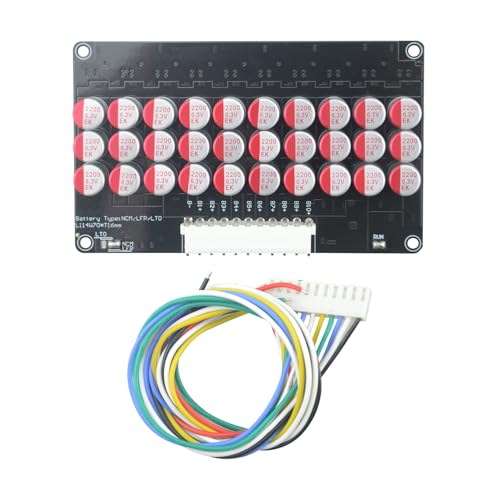
Product descriptions: LVNOON 5.5A Smart Active Balancer 5mV Precision 3S-4S for Lifepo4 Lithium li-ion NCM Lithium/ 5S-21S for Lifepo4 Li-ion LTO Battery Active Battery Energy Transfer Equalization Capacitor
What You Actually Pay for a Complete Lithium Golf Cart Battery Install
A complete lithium golf cart battery installation typically costs between $2,500 and $4,000 when professionally done. The battery pack is the largest expense, with entry-level 48V 50Ah packs priced around $1,600 to $2,200. Mid-range 100Ah packs usually fall between $2,500 and $3,800. Additional costs come from professional installation fees, which range from $100 to $500. Wiring upgrades, if necessary, add another $50 to $200. Accessories like charge meters or reprogramming controllers can add $50 to $350 to the total. While market prices tend to drop as competition increases, the overall cost still depends on the quality of components. Premium cells and advanced battery management systems keep higher-capacity setups in the $4,000 to $5,500 range. Expect to spend roughly $2,500 to $4,000 for a fully installed lithium conversion that balances quality and affordability. A separate voltage reducer is often required to power 12V accessories safely, adding $30 to $100 to the total. For those prioritizing longevity, battery quality and performance should be the primary deciding factors. Investing in a top battery charger ensures your lithium pack maintains optimal performance and longevity.

Bluetooth APP Monitoring: DC HOUSE 48V50AH battery has built-in Bluetooth, which can connect with DC HOUSE APP. It is convenient to monitor battery information such as SOC, voltage, current, etc., and the data is accurate to the specific cell of a battery, there is a special fault display page to help troubleshoot
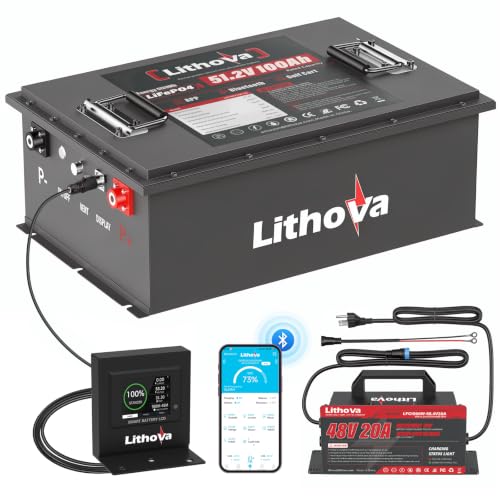
Get Rid of Lead Acid Batteries Now: Revolutionize your golf cart with Lithova 48V golf cart lithium conversion kit! This 48V lithium battery directly replaces 6-8V 100Ah heavy lead-acid batteries in one simple installation. Enjoy 74% weight reduction, 60% smaller size, and extended 50-mile range (effortless 7-9 Rounds of 18-hole courses). Lasts 8x longer than lead-acid batteries, Up to 15000 deep cycles ensure maintenance-free performance and long-term reliability.

48V 50Ah LiFePO4 Lithium Battery for Golf Cart: Upgrade your golf cart with the DC HOUSE 48V 50Ah LiFePO4 lithium battery, built with A-grade lithium cells for reliable performance, high energy density, and long-lasting power. Designed as a 48V lithium battery for golf carts, it is compatible with many 48V golf cart applications, including YAMAHA, Club Car, and EZGO models. Compared with traditional lead-acid batteries, this lithium battery offers a significantly longer service life with more than 4,000 cycles.
Does the Higher Upfront Cost Pay Off Over Time?
The higher upfront cost of a lithium golf cart battery typically pays off over time. While the initial investment is greater, you’ll need to replace a lead-acid battery two or more times during the lifespan of a lithium pack, which can last over 3,000 to 5,000 cycles. This means significant savings on replacements. Lithium batteries also require less maintenance: no watering, cleaning corrosion, or charge monitoring is needed. If you plan to drive your cart on public roads, verifying its street legal status is an important step to ensure compliance with local regulations. They charge faster, allow you to use more of their capacity, and reduce downtime. The 70% weight reduction enhances your cart’s acceleration and ability to handle hills. When selecting a pack, comparing top lithium golf cart batteries helps ensure you invest in the highest quality and performance. With fewer replacements and minimal upkeep, the initial higher cost gradually becomes a smart long-term investment—especially if you intend to keep your cart for several years. To further protect your investment, ensuring your cart’s windshield safety meets the same rigorous standards can prevent avoidable damage and keep you comfortable on every ride.