Trying to find a golf cart that’s reliable and holds its value? Yamaha models are known for their durability and strong resale prices.
Whether you choose gas for hilly terrain or electric for quieter rides, they’re built to last. Keep reading to see if Yamaha has the right fit for your needs.
Gas vs. Electric: Which Yamaha Model Is Better for Daily Use?
Gas models are generally better for daily use if you frequently travel long distances or need to tackle hills. They offer the advantage of instant refueling, meaning you won’t experience downtime waiting for a recharge. This makes them ideal for routes that extend beyond 45 miles or involve varied terrain. Gas engines like QuieTech EFI produce more power, which translates into stronger towing capacity for hauling heavy loads without sacrificing performance. For users who prioritize heavy lifting capability, a gas model’s torque ensures consistent performance on steep inclines and rough paths. Adding a roof rack can further enhance utility for carrying extra gear on long trips.
Electric models excel in quiet neighborhood cruising and short daily trips. They are best if your trips stay under 45 miles regularly, as they can handle frequent short distances efficiently. The choice of battery technology greatly impacts usability: lithium-ion batteries provide a full range with faster charging times, often under 2 hours, whereas lead-acid batteries take about 8 to 10 hours to recharge fully. Electric carts require less routine maintenance—no oil changes or fuel upkeep—making them convenient for daily use, especially in less demanding terrains. However, for multiple consecutive trips or longer days, gas models prevent the need for multiple recharges and keep you moving with less interruption. For enhancing your audio experience during those rides, consider pairing your cart with a top soundbar for clear, powerful sound.

Compatibility: Compatible with EZ-GO TXT 1994-2013 golf cart,Golf cart roof rack size: L50 x W33 x H5 inches

Instant cargo space for vehicle with cross bars; Basket size - 46" x 36" x 4-1/2"
Why Do Yamaha Golf Carts Earn Such a Strong Reliability Reputation?
Yamaha’s reputation for reliability comes from its long-standing focus on engineering durable, high-quality powertrains. Since 1979, Yamaha has designed and built its own drivetrains, with models like the QuieTech EFI featuring advanced fuel injection systems that deliver quiet operation and extend engine life. Because Yamaha controls the entire drivetrain manufacturing process, it ensures consistent quality and reduces the risk of defects. To keep electric models performing well, owners should follow golf cart battery charging tips to avoid overcharging and extend battery life. Using a top-rated charger can help maintain optimal battery health and prevent damage from inconsistent power delivery. For owners who also prioritize aesthetics, upgrading with top Yamaha seat covers can enhance both comfort and style while protecting the original upholstery.
The brand uses tough, powder-coated steel frames and premium materials in its golf carts, which help withstand daily use and minimize repairs over time. Maintenance is straightforward; for electric models, simple battery upkeep—such as regular cleaning and ensuring proper charging—keeps the carts running reliably. Extensive dealer support, including warranty coverage and genuine parts, ensures you can keep your Yamaha golf cart performing at its best for years to come.
Owner reviews often highlight how smoothly Yamaha carts operate and how dependable they are, with many reporting trouble-free performance after routine tune-ups. This consistent reliability is why Yamaha earns such a strong reputation—offering you trouble-free miles with minimal service required, without relying on flashy features.
Real Ownership Costs: How Much Maintenance Do Yamaha Models Need?
Yamaha models require routine maintenance that impacts their total ownership costs. Gas-powered Yamaha vehicles need regular checks of fluids, filter replacements, and belt inspections. Oil levels should be monitored frequently, with oil and air filters swapped about every 100 to 200 hours of use or once a year. Fuel filters are inexpensive, typically around $4, and tune-up kits cost roughly $35, making small repairs affordable. In Florida, golf cart drivers must also be at least 14 years old and follow specific road rules to operate legally.
Electric Yamaha models shift your upkeep to battery care. Regular maintenance includes cleaning battery terminals and watering batteries every 30 to 45 days in warm climates to prevent corrosion and maintain performance. Battery packs usually need replacement every four to six years, depending on usage and climate conditions. Following Yamaha’s recommended daily, monthly, and periodic checks helps keep service costs manageable, but high-use applications or harsh environments can increase the frequency of inspections. For added safety and traction, upgrading to best golf cart tires can improve ride quality on rough terrain. Overcharging or deep discharging shortens battery lifespan and can lead to early failure.
Parts affordability plays a key role in keeping maintenance costs low—small repairs tend to be inexpensive. However, larger components such as axles can cost hundreds of dollars to replace. Ultimately, your actual maintenance costs will vary based on how often you use the vehicle, the climate you operate in, and how well you store it.

10l0l golf cart battery hold down rod j-bolts with lock nuts for 2007 up yamaha g29 electric models;
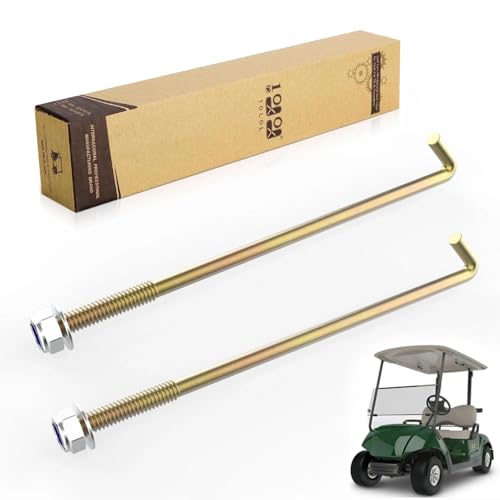
Applicable Models: This kit is especially designed for Yamaha Drive G29 electric golf carts and helps secure batteries in the intended tray position.

Compatible Models and Proper Size: These golf cart battery hold down rods are specifically designed to fit for Yamaha Gas G14 G16 G20 G22 G23 G27 G28 and G22 Electric, as well as Club Car DS Electric models from 1976 to 2006. Enjoy a hassle-free installation with the perfect fit and size
Common Yamaha Drawbacks to Consider Before Buying
Yamaha golf carts have some common drawbacks to consider before purchasing. One notable issue is the higher upfront cost compared to many competitors, which can impact your overall value, especially if you are budget-conscious. Certain trims may also lack modern features, requiring you to seek aftermarket upgrades to achieve full functionality. For those looking to improve nighttime visibility, adding the best light bar for your golf cart can enhance safety and usability during evening rides.
Steel components in Yamaha carts can be prone to rust in humid or coastal environments, compromising both appearance and durability. Regular preventive maintenance is necessary to prevent corrosion. Electric models often face battery-related reliability problems, such as voltage drops under load and charger relay failures, leading to frustration. When selecting a replacement, researching top batteries for golf carts can help you choose an option that matches your usage and climate conditions. Accessory compatibility can be inconsistent, limiting customization options, and sourcing parts for older models can be difficult. Reliability issues vary between powertrain types, with electric carts more likely to experience battery and controller failures, while gas models may encounter issues with starters or carburetors. Considering top hub caps for a golf cart can help protect wheels and improve the vehicle’s overall look.
Which Yamaha Model Fits Your Neighborhood or Course Best?
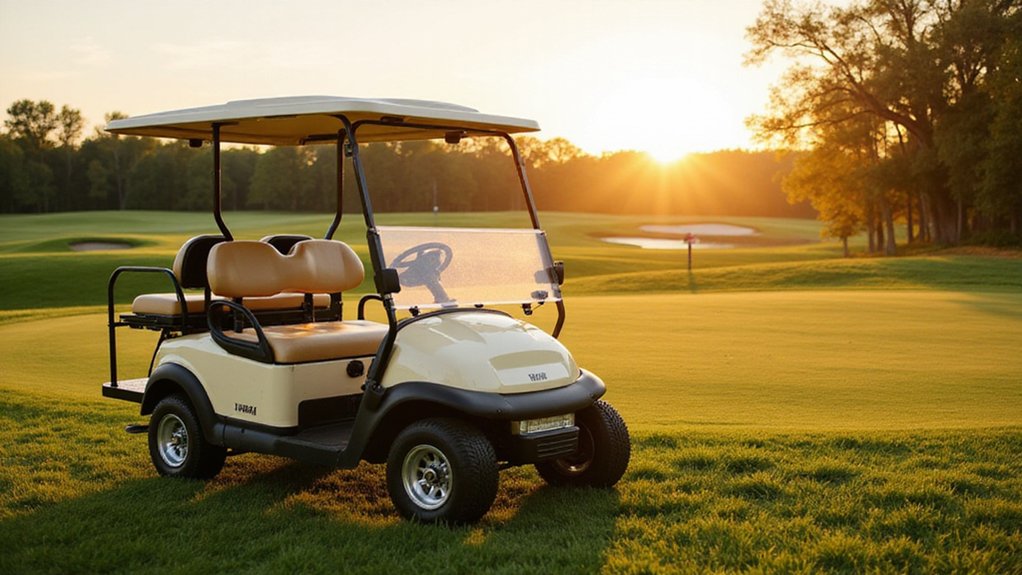
The Yamaha model that fits best depends on where you plan to use it most. For neighborhood cruising, errands, or short local trips, the Drive2 PTV is ideal. It offers both gas and electric options, with a top speed of 19–25 mph when equipped with the street-legal package. It has two seats, making it a versatile choice for casual residents and everyday use. For those prioritizing electric power, upgrading to a high-torque motor can significantly improve hill-climbing ability and efficiency. Additionally, pairing this upgrade with top lithium batteries ensures longer run times and consistent performance on hilly terrain. On a golf course, the Drive2 Fleet is designed specifically for durability and low maintenance, with a maximum speed of around 15 mph to comply with course regulations. If you need to transport multiple passengers or family members, the Concierge 4 or 6 models provide extra seating space without sacrificing speed. For property or utility work, the UMAX lineup offers robust options tailored for work tasks. Yamaha’s wide range of models ensures you’ll find a cart that perfectly matches your specific turf, whether it’s neighborhood streets, golf courses, or work sites. As noted in reviews like Top Golf Carts, Yamaha’s quality and performance consistently rank high among buyers for their reliability and resale value.

Compatibility: These keys are designed for Yamaha G14, G16, G19, G22, and G29 Drive gas and electric golf carts.Replacement Ignition Keys. Note: Yamaha G14 (1995-1997), G16 (1996-2002), G19 (1996-2002), G20 (2000-2002), G21 (2001-2004), G22 (2003-2007), G23/G27/G28 (2005-2009), Drive/G29 (2007-2016), Drive2 (2017-present)
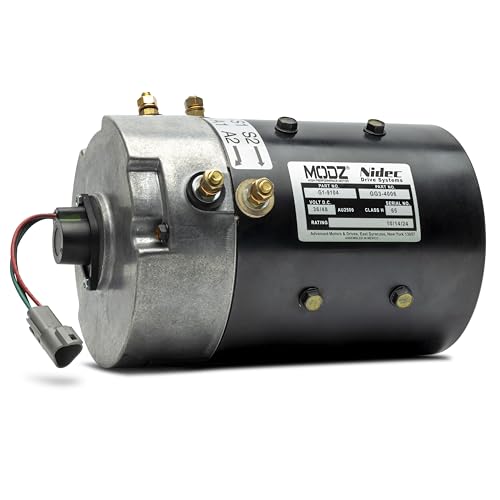
High Speed Performance: Increases top speed between 25-35% mph with the factory controller, compared to the stock motor

FITS MODELS: Yamaha Drive, Drive2, G22, G14, Adventurer, Adventurer 2, Adventurer 2+2.