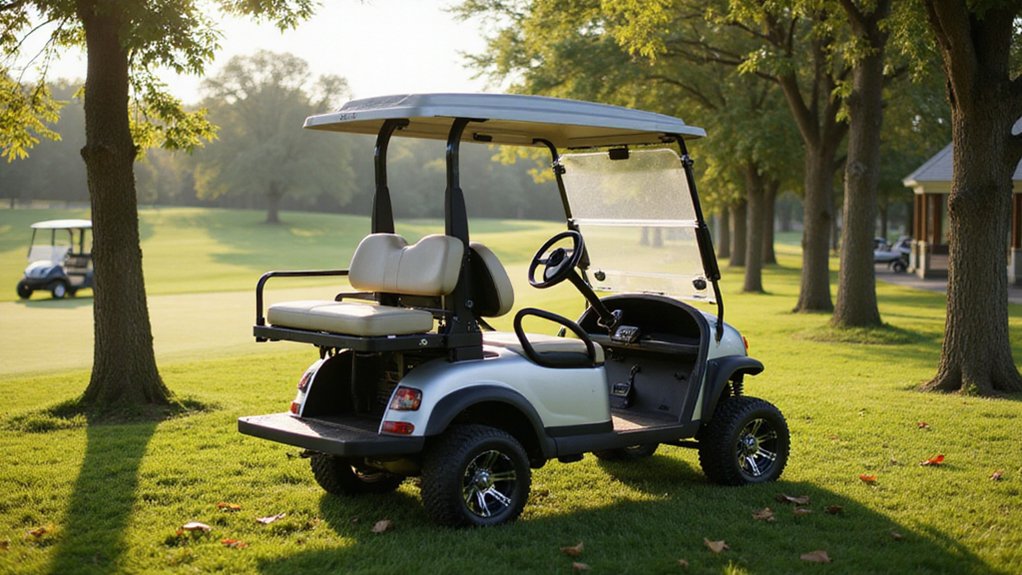
Ever wondered how a gas-powered golf cart moves you smoothly around the course? The answer lies in a simple yet clever engine that runs only when you press the pedal.
It uses fuel and air to generate power, which then gets transferred to the wheels seamlessly. Keep reading to see exactly how this small engine keeps your cart running reliably.
How the Gas Golf Cart Engine’s Four-Stroke Cycle Creates Motion
The four-stroke cycle is what makes the gas engine in a golf cart generate motion. It consists of four distinct steps: intake, compression, power, and exhaust. During the intake stroke, the piston drops, drawing in a mixture of air and fuel into the cylinder. Next, the compression stroke squeezes that mixture, increasing its pressure and temperature to prepare for ignition. When the spark plug fires during the power stroke, it ignites the compressed mixture, causing a controlled explosion that pushes the piston down. This movement rotates the crankshaft, converting combustion energy into mechanical motion. Finally, the exhaust stroke pushes out the burnt gases through the exhaust system, clearing the way for the cycle to repeat. Proper lubrication with oil ensures these parts move smoothly without seizing, allowing continuous power delivery to the wheels. Golf carts built with quality components provide greater reliability and longer service life for their engines. For those considering a gas cart, be sure to pair it with a reliable golf cart trailer for safe transport. A well-maintained lighting system, including turn signal kits, enhances safety when driving on roads or campgrounds.
What Makes a Gas Golf Cart Engine Different From a Car Engine?
A gas golf cart engine is significantly different from a car engine in size, design, and operation. Most golf cart engines are between 295cc and 350cc, which is much smaller than typical car engines, usually around 1,500cc to 3,000cc. This smaller size limits horsepower, typically producing just 10 to 13 horsepower, enough for low-speed, short-distance travel. Unlike a car engine with multiple cylinders, most golf carts use a single-cylinder engine, simplifying design and reducing maintenance needs. Many owners find that pairing their cart with top golf cart accessories like a premium cover further protects the engine from outdoor elements.
Additionally, golf cart engines are air-cooled, relying on fans and fins instead of a radiator and coolant system. This air cooling means less maintenance and fewer parts that can fail. For owners who want to protect their investment, selecting the perfect EZGO golf cart cover can help shield the engine from debris and weather damage. The engine also only runs when you press the accelerator; it turns off when you release it, so there is no continuous idling like in a car. This on-demand operation helps conserve fuel and reduces emissions. Designed for short trips at low speeds, golf cart engines do not require the power modifications or high-performance features that car engines do, which are built to handle sustained highway driving and higher speeds. In contrast, a gas cart’s lifespan can be shortened by similar severe discharge habits that damage lithium batteries, as both power sources suffer from being repeatedly run to empty.
Where the Power Goes: How the Drivetrain Transfers Engine Force to the Wheels
Once the engine is spinning, the drivetrain’s job is to transfer that rotation to the rear wheels efficiently. When the primary clutch engages the belt, power is sent to the driven clutch on the transaxle, causing the CVT to automatically vary its ratio. This allows you to accelerate smoothly without needing a clutch pedal. The belt then transmits torque into the transaxle, where a ring-and-pinion gear set multiplies the force and redirects it toward the wheels. For those seeking quieter operation and less maintenance, a lithium battery can replace the engine as the primary power source. When selecting a golf cart enclosure for your gas model, be sure it provides adequate ventilation to avoid trapping exhaust fumes near the driver. The cooling system maintains the engine’s temperature, but airflow around the transaxle is also crucial to prevent overheating under heavy load. Finally, the differential distributes power between the two axle shafts, enabling each rear wheel to turn at different speeds—especially during cornering—resulting in steady, controlled movement without jerks or abrupt gear shifts. For buyers researching upgrades, selecting a high-torque motor can significantly improve towing capability and hill-climbing performance.
Why the Gas Golf Cart Engine Only Runs When You Press the Pedal
Pressing the pedal activates the engine by completing an electrical circuit. When you press down, the pedal switch closes, allowing battery voltage to flow to the solenoid. This engages the starter-generator, which spins the engine’s crankshaft until combustion begins. The throttle linkage also opens the carburetor further as you push the pedal, matching engine speed to your pedal position. Adjusting the throttle cable to reach a target of about 3,500 RPM balances speed and engine safety, with a tachometer used to verify the adjustment. Upgrading to a lithium battery can improve the starter-generator’s reliability during repeated pedal presses. Using durable lug nuts ensures the wheel stays securely attached during high-torque starts. For safe driving, choose flat, open areas where pedal response is predictable.
Releasing the pedal interrupts the circuit, cutting off power to the ignition and starter. Without this command, the engine shuts down. Since most gas golf carts are designed to run only when prompted by the pedal, they do not idle like a car. Poor fuel quality can complicate this system, making the engine more prone to stalls when not actively engaged. Essentially, the engine runs only when you press the pedal because it’s a safety and simplicity feature built into the system.
Fuel Basics: What Gas Your Gas Golf Cart Engine Needs (and What to Avoid)
Use fresh, regular unleaded gasoline with an 87 octane rating for your golf cart engine. Stick to fuel blends containing no more than 10% ethanol, labeled E10, as higher ethanol levels can cause damage to your small engine. Avoid using E15, E85, or any leaded fuel entirely because they are incompatible and can harm engine components. For storage, ethanol-free gas is preferable since it attracts less moisture and reduces fuel degradation over time. If you need to use ethanol-blended fuel, add a stabilizer immediately after filling to prevent ethanol-related issues like phase separation and stale fuel. For electric cart owners comparing power sources, opting for top golf cart batteries ensures reliable performance and long service life. For gas cart owners considering an upgrade from battery systems, researching the best electric motor options can help compare power delivery characteristics. Gas cart owners may also consider upgrading the on-board audio experience with a dedicated soundbar system for clearer sound while driving. Always consult your owner’s manual for any model-specific recommendations to keep your cart running smoothly.

Clear Fuel Type Identification: This pump reflective sticker is designed to clearly display the 87 octane, helping customers and drivers quickly identify the correct gasoline type at a glance and reducing confusion at fuel pumps.

STAND THE TEST OF TIME: Whether rain, sleet, hail or sunshine our stickers will keep their colors. Proudly display your sticker on your car or anywhere knowing their colors won't run.
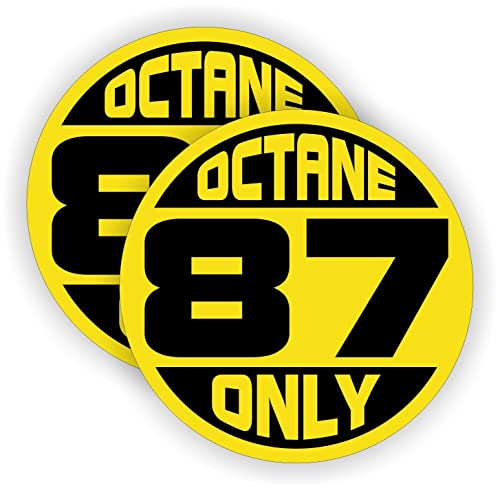
2.5 in. size, 2 decals included.
How Spark Plugs, Air Filters, and Cooling Keep Your Gas Golf Cart Engine Running
Spark plugs, air filters, and cooling systems are essential for keeping your gas golf cart engine running smoothly. A spark plug must have a gap of 0.028–0.030 inches to fire correctly. A weak or fouled spark plug causes difficulty starting the engine and misfires, leading to poor performance. Air filters trap dust and debris before they reach the carburetor; a clogged filter restricts airflow, reducing power and forcing the engine to work harder. For cooling, air-cooled systems rely on clean fins to dissipate heat effectively, while liquid-cooled systems depend on maintaining proper coolant levels to prevent overheating. Neglecting these components leads to excess heat buildup that can damage engine parts and reduce longevity. Proper battery types ensure consistent ignition, and maintaining correct tire pressure helps lower engine load, making cooling more effective and preventing unnecessary heat stress. While hub caps are not directly related to engine performance, choosing top hub caps for your golf cart can improve its overall appearance and protect wheel components. Using quality tires and rims reduces rolling resistance, which eases strain on the engine and improves overall efficiency. Replacing a clogged air filter with a new one, such as a Wix 42828, restores proper airflow and engine power. Selecting the right 8V golf cart batteries also supports stable ignition timing and overall engine reliability.

Replacement Air Filter For EZGO 4 Cycle Gas Golf Carts

Replacement Canister Style Air Filter For Club Car 4 Cycle Gas Golf Carts

➤𝐅𝐢𝐭𝐞𝐦𝐞𝐧𝐭: For 1992 & up Club Car 4-cycle DS golf cart & Carry all gas cart with FE290 FE350 Engine
Key Maintenance Checks for a Reliable Gas Golf Cart Engine
Regularly checking your gas golf cart engine’s oil level and condition is essential for reliable operation. Use the dipstick monthly to ensure the oil is at or near the designated add or fill mark. Look for contamination or discoloration, as these are signs that the oil may need changing. Monitoring oil quality early prevents engine damage and prolongs its lifespan. When draining oil, do so while the engine is warm for complete removal. Always follow the manufacturer’s specifications for the correct oil type and capacity to ensure optimal lubrication. For added convenience, consider hinge options when upgrading your windshield access during maintenance. Just as with electric carts, proper battery care for a gas cart’s starting battery involves periodic water level checks to prevent sulfation and extend service life.

Golf cart ez go tune up kit fit EZGO RXV 2008-up and TXT 2010-up gas golf carts with 4 Cycle Kawasaki Motor (will not for robbins or mci engines)

Replacement Oil Filter For Club Car DS/Precedent Gas Golf Carts
Replacement Oil Filter For 2008-Up EZGO RXV Gas Golf Carts
Signs of Engine Trouble: Rough Idling, Hard Starting, Power Loss
Your gas golf cart engine can show signs of trouble even with regular oil checks and maintenance. Common symptoms include rough idling, hard starting, and power loss. Rough idling occurs when the engine shakes or surges, often caused by dirty carburetor passages or a clogged air filter. You might also notice uneven exhaust emissions, which indicate incomplete combustion. Hard starting is usually due to weak battery voltage or a blocked fuel line, making the engine difficult to turn over. Power loss, especially during hills or acceleration, often stems from worn drive belts or a restricted fuel filter that limits fuel flow. Poor lubrication of the engine accelerates wear on components, worsening these issues. Ignoring these signs can lead to more serious damage, so it’s important to address them promptly.

Exact Fit: EZGO RXV 2008-up and TXT 2010-up gas golf carts with 4-cycle Kawasaki engine. Not for Robbins or MCI engines. Verify your engine type before ordering

Yamaha Golf Cart Air Filter Compatible with Part # JN6-E4450-00, JN6-E4450-01, 10971, 22-048, Pre Filter Replace #: JN6-E445E-00
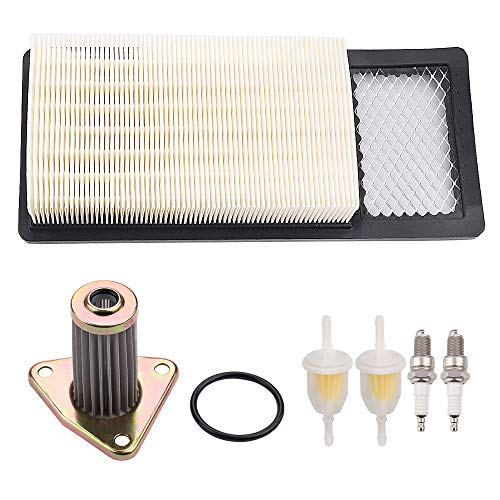
Replacement for EZGO TXT, MEDALIST 4 Cycle 295cc / 350cc Golf Cart 1994-2005
Simple Troubleshooting: What to Do When Your Gas Golf Cart Engine Won’t Start
If your gas golf cart engine won’t start, the first step is to check the battery. A healthy 12-volt battery should read between 12.6 and 12.8 volts at rest. During cranking, the voltage should not drop below 10.5 volts. Clean any corroded battery posts and tighten loose clamps to ensure proper contact. If you hear a solid click from the solenoid when starting, it indicates the start circuit is partly functional. No click suggests you should test the key switch and pedal switch. Also, inspect heavy-gauge cables for any visible damage or corrosion to prevent electrical issues. Replacing a damaged solenoid can restore power flow if the battery is good but the cart remains unresponsive.

36 Volt 4 terminal SPNO heavy-duty solenoid for EZGO TXT, Medalist, Marathon 1971-2010 electric golf cart

【Replacement For】1976-1998 36 Volt electric Club Car DS Golf Carts.

48V 4-Terminal Solenoid with Resistor for Club Car golf cart